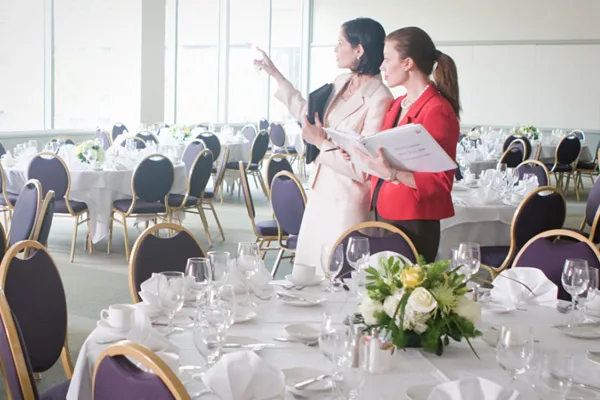
Event Planning Strategy: DIY Planning vs. Hiring Professional Event Planners
Planning an event, whether it is a corporate gala, a wedding, or a large-scale community festival, is a monumental task that requires meticulous attention to detail. As you begin the journey of organizing your next big occasion, you are inevitably faced with a critical decision: should you take the reins yourself, or should you hire professional event planners? This comparison explores the nuances of both approaches to help you determine which path aligns best with your goals, budget, and peace of mind.
Understanding the Role of Professional Event Planners
Professional event planners are experts in logistics, vendor management, and creative execution. They act as the architects of your vision, transforming abstract ideas into tangible experiences. A professional planner brings a wealth of industry connections, negotiation skills, and a structured approach to project management that minimizes risks and maximizes impact.
When you hire a professional, you are not just paying for a service; you are investing in a stress-reduction strategy. They handle the heavy lifting—from scouting venues and coordinating with catering teams to managing complex production timelines and troubleshooting unforeseen issues on the day of the event.
The DIY Approach: Taking Control of Your Event
DIY event planning is a popular choice for those who have a clear vision, a limited budget, or a personal passion for organization. It involves managing every aspect of the event independently, from sourcing decorations and booking entertainment to managing the guest list and event flow.
While DIY offers complete creative control and potential cost savings, it also demands a significant investment of time and energy. For many, the "thrill of the build" is part of the experience, but it is important to be realistic about the workload involved, especially as the event date approaches.
Comparison Table: DIY vs. Professional Event Planners
| Feature | DIY Event Planning | Professional Event Planners |
|---|---|---|
| Cost | Potentially lower (no service fees) | Higher (includes planning fees) |
| Time Commitment | Extremely high | Minimal (oversight only) |
| Stress Level | High (especially on event day) | Low (professionals handle crises) |
| Vendor Access | Limited to public listings | Exclusive industry connections |
| Customization | Personalized but limited by skill | Professional-grade creative execution |
| Risk Management | You are solely responsible | Mitigated by professional experience |
Key Factors to Consider When Deciding
1. Complexity and Scale
If your event involves multiple stakeholders, complex audiovisual requirements, or a large guest count, the complexity can quickly overwhelm a DIY planner. Professional event planners are trained to handle multi-layered logistics, whereas DIY methods often struggle under the weight of scale. If your event is small and intimate, DIY is often sufficient. If it is a major production, professional assistance is highly recommended.
2. Budget Allocation
There is a common misconception that DIY is always cheaper. While you save on planning fees, DIYers often encounter "hidden costs"—such as purchasing equipment that will only be used once, overspending on vendors due to a lack of negotiation power, or incurring expenses from avoidable mistakes. Professional planners often save clients money by leveraging their existing relationships with vendors to secure better rates.
3. Your Time and Availability
Time is a currency. If you have a demanding career or family life, the hundreds of hours required to plan a high-quality event may be better spent elsewhere. Calculate your hourly rate and estimate how many hours the planning process will take. You may find that the cost of a professional planner is a worthwhile trade-off for your personal time.
The Benefits of Hiring Professional Event Planners
Beyond simple logistics, professional planners provide a strategic advantage. Here are the primary benefits of bringing in an expert:
- Vendor Negotiation: Planners know the "real" prices of services and can negotiate contracts that protect your interests.
- Creative Vision: They offer a fresh perspective and can suggest themes, layouts, and technologies that you may not have considered.
- Crisis Management: When a vendor cancels or the weather takes a turn, a professional has a "Plan B" ready to go.
- Guest Experience: A professional planner focuses on the "flow" of the event, ensuring that guests have a seamless experience from arrival to departure.
The Advantages of the DIY Route
DIY is not without its merits. For many, it is the only way to achieve a truly unique, hyper-personalized result. The advantages include:
- Budget Flexibility: You have total control over every dollar spent, allowing you to reallocate funds instantly based on your priorities.
- Personal Touch: You are the one hand-picking every detail, which can lead to a more authentic, intimate atmosphere.
- Skill Development: For those interested in a career in event management, DIY is the best way to learn the ropes through hands-on experience.
Current Trends in Event Planning
The industry is shifting toward more sustainable and technology-driven experiences. Regardless of whether you choose to DIY or hire a professional, keep these trends in mind:
Sustainability
Eco-friendly events are no longer a niche preference; they are a standard expectation. This involves minimizing waste, choosing locally sourced catering, and opting for digital invitations over paper ones. Professional planners are experts at sourcing sustainable vendors, making this easier to achieve at scale.
Hybrid Event Formats
The integration of physical and virtual components is here to stay. Whether it is a corporate conference or a wedding, offering a virtual component allows for a wider reach. Setting up high-quality streaming and interactive virtual elements is a technical challenge that often requires professional intervention.
Immersive Experiences
Attendees are looking for more than just a presentation or a dinner. They want an experience. From interactive art installations to gamified networking, creating an "immersive" environment requires a high level of creative planning that professional event planners excel at executing.
How to Make Your Final Decision
To finalize your choice, conduct a brief audit of your needs. Ask yourself the following questions:
- What is the primary goal of the event? If the event is for business growth or a major milestone, the risk of failure is too high for a DIY approach.
- How much time can I realistically commit? Be honest—do not account for "ideal" time, but rather the time you actually have available after your daily obligations.
- Do I have a network of reliable vendors? If you are starting from scratch, finding trustworthy vendors is a time-consuming and risky process.
- How comfortable am I with high-pressure situations? If you crumble under pressure, a professional is a necessity to keep the event on track.
Conclusion
Choosing between DIY and hiring professional event planners ultimately comes down to your priorities. If your objective is to maintain absolute control over every penny and you have the time to dedicate to the craft, DIY can be a rewarding, albeit challenging, endeavor. However, if your goal is a flawless, high-impact event where you can enjoy the occasion as much as your guests, professional event planners provide the expertise, network, and peace of mind that make the investment invaluable.
By evaluating your budget, the complexity of your event, and your own capacity for stress, you can confidently choose the path that will lead to a successful and memorable occasion. Whether you decide to do it yourself or hire a team, the key to success lies in early planning, clear communication, and a focus on the guest experience.