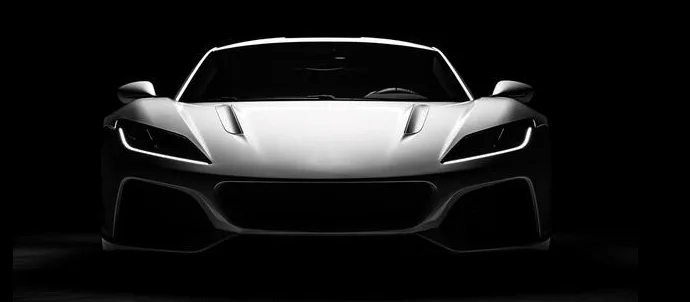
Internal Combustion Engine (ICE) vs. Electric Vehicles (EV): A Comprehensive Comparison for Modern Car Buyers
The automotive landscape is undergoing a seismic shift. For over a century, the Internal Combustion Engine (ICE) has reigned supreme, defining the way we travel, commute, and experience the open road. However, the rapid ascent of Electric Vehicles (EVs) has introduced a new paradigm, forcing prospective car buyers to weigh the pros and cons of two fundamentally different technologies. Choosing between a traditional gas-powered car and an electric vehicle is no longer just about brand preference; it is about lifestyle, budget, and long-term sustainability.
In this guide, we will break down the critical differences between ICE vehicles and EVs to help you make an informed decision that aligns with your driving habits and financial goals.
Understanding the Core Technologies
To make a fair comparison, we must first understand how these vehicles generate power. An ICE vehicle relies on the combustion of fossil fuels—gasoline or diesel—within an engine to create mechanical energy. This process involves complex moving parts, transmissions, and exhaust systems.
Conversely, an EV replaces the engine, fuel tank, and transmission with a battery pack and electric motors. Electricity stored in the battery powers the motor, which drives the wheels directly. This simplicity is the cornerstone of the EV’s mechanical advantage.
Comparison Table: ICE vs. Electric Vehicles
| Feature | Internal Combustion Engine (ICE) | Electric Vehicle (EV) |
|---|---|---|
| Refueling/Charging | Fast (5-10 mins) at gas stations | Slower (30 mins - hours) at home/stations |
| Maintenance | High (Oil changes, filters, belts) | Low (Fewer moving parts) |
| Upfront Cost | Generally lower | Generally higher |
| Driving Experience | Engine noise, gear shifts | Instant torque, silent operation |
| Range | High (300-500+ miles) | Varies (200-400 miles) |
The Financial Perspective: Total Cost of Ownership
When comparing cars, many buyers focus solely on the "sticker price." While ICE vehicles typically have a lower purchase price, the Total Cost of Ownership (TCO) tells a more nuanced story.
Upfront Investment vs. Long-term Savings
EVs often carry a premium price tag due to the cost of battery technology. However, government incentives, tax credits, and rebates can significantly bridge this gap. Furthermore, when you look at the cost per mile, electricity is consistently cheaper than gasoline in most regions. Over a 5-to-10-year ownership period, an EV can often pay for itself through fuel savings alone.
Maintenance Costs
The ICE vehicle is a complex machine. It requires regular oil changes, spark plug replacements, transmission fluid flushes, and exhaust system repairs. An EV, by contrast, has significantly fewer moving parts. You don't need oil changes, and because of regenerative braking, your brake pads last much longer. This results in substantially lower annual maintenance bills for the average EV owner.
Performance and Driving Dynamics
The driving experience is perhaps where the two categories diverge the most. If you are a driving enthusiast, the differences are palpable.
Instant Torque and Acceleration
Electric motors provide 100% of their torque the moment you press the accelerator. This translates into instant, punchy acceleration that makes merging onto highways or navigating city traffic feel effortless. ICE vehicles, even those with turbochargers, require a moment for the engine to "spool up" and for the transmission to find the right gear.
Weight and Handling
EV batteries are heavy, and they are usually placed along the floor of the vehicle. This gives EVs a very low center of gravity, which enhances stability and cornering. While the weight can be a drawback for extreme performance, the engineering of modern EVs often makes them feel more planted and secure on the road than their ICE counterparts.
The Refueling Infrastructure Dilemma
This is the primary pain point for many potential EV buyers. The "Range Anxiety" factor is real, though it is rapidly diminishing as charging networks expand.
The Convenience of the Gas Station
For those who frequently take long road trips or live in rural areas, the ubiquity of gas stations remains the ICE vehicle's greatest strength. You can refuel in minutes anywhere in the country, providing a level of freedom that EVs are still working to match.
The "Home Charging" Advantage
EV owners, however, often argue that they never visit a gas station. If you have a driveway or garage, you can charge your vehicle overnight, essentially starting every day with a "full tank." For the average daily commuter, this convenience far outweighs the occasional inconvenience of stopping to charge on a long road trip.
Environmental Impact: Beyond the Tailpipe
It is important to look at the full lifecycle of the vehicle. ICE vehicles produce carbon emissions directly from the tailpipe. While they are becoming more efficient, they will always contribute to local air pollution.
EVs have zero tailpipe emissions. However, the environmental impact of an EV depends heavily on how the electricity used to charge it is generated. If your local grid relies on coal, the EV's carbon footprint is higher than if your grid uses wind, solar, or nuclear power. Nevertheless, studies consistently show that over the life of the vehicle, EVs produce significantly fewer greenhouse gases than ICE vehicles, even when accounting for the battery manufacturing process.
Who Should Choose an ICE Vehicle?
An ICE vehicle remains the better choice if:
- You live in an apartment or area without reliable access to home charging.
- You frequently drive long distances in remote areas where charging infrastructure is non-existent.
- You are on a strict budget and cannot justify a higher initial purchase price.
- You enjoy the tactile experience of manual transmissions and engine sound.
Who Should Choose an Electric Vehicle?
An EV is likely the superior choice if:
- You have the ability to install a home charger.
- Your daily commute is well within the range of modern EV battery capacities.
- You want to reduce your long-term maintenance and fuel costs.
- You prefer a quiet, smooth, and high-performance driving experience.
- You are committed to reducing your personal carbon footprint.
Future Trends: The Hybrid Middle Ground
If you are still torn between the two, it is worth considering the Hybrid (HEV) or Plug-in Hybrid (PHEV) options. These vehicles combine the efficiency of an electric motor with the range and convenience of a gas engine. They serve as an excellent "bridge" technology for those who want to dip their toes into electrification without fully committing to a battery-only lifestyle.
Final Thoughts: Making Your Choice
The debate between ICE and EV is not about which is "better" in a vacuum; it is about which is better for your specific life. The automotive industry is moving toward an electric future, but the transition period offers a wealth of options for every type of driver. Before heading to the dealership, assess your charging capabilities, your typical driving distance, and your long-term budget. By balancing these factors, you will find the vehicle that keeps you moving forward, whether powered by a spark or a spark plug.