The Ultimate Fashion Accessories Buying Guide: How to Elevate Every Outfit
Clothing builds the foundation of your personal style, but fashion accessories are what bring it to life. A classic little black dress, a simple white t-shirt, or a tailored suit can completely change character depending on the accessories you choose to pair with them. Beyond adding aesthetic value, high-quality accessories maximize your wardrobe's versatility, allowing you to create dozens of distinct looks from a modest collection of apparel.
Navigating the vast world of accessories can feel overwhelming. With endless options spanning fine jewelry, structured handbags, seasonal scarves, utility belts, and trendy eyewear, knowing where to invest your budget requires strategy. This comprehensive buying guide will walk you through the primary categories of fashion accessories, key selection criteria, quality indicators, and expert advice on building a timeless collection tailored to your lifestyle.
Understanding the Power of Accessories in Personal Style
Before diving into individual product categories, it is essential to understand why accessories play such a pivotal role in personal styling. Investing in fashion accessories yields several practical benefits:
- Cost-Effective Wardrobe Expansion: Updating your look each season with new apparel is expensive. Adding a few on-trend accessories allows you to refresh your core clothing items without overspending.
- Personal Expression: While office dress codes or seasonal uniforms may limit your choice of clothing, accessories offer a canvas for expressing creativity, mood, and personality.
- Transformative Versatility: The same foundational outfit can transition seamlessly from daytime casual to formal evening wear simply by swapping out shoes, bags, and jewelry.
- Silhouette Enhancement: Strategic placement of belts, hats, or long neckwear can elongate your torso, accentuating your favorite features and creating visual balance.
Core Categories of Accessories: A Buying Breakdown
To build a well-rounded wardrobe, you must understand the key sub-categories within accessories and what to look for in each. Below is a detailed breakdown of the main accessory types.
1. Jewelry: Metals, Stones, and Proportions
Jewelry is often the focal point of an ensemble. It falls into two main divisions: fine jewelry (crafted from precious metals and natural gemstones) and fashion/costume jewelry (made from base metals, plated surfaces, glass, or acrylics).
When selecting jewelry, consider the following factors:
- Skin Undertones: Warm undertones (peachy, yellow, or golden) are naturally complemented by yellow gold, brass, and copper. Cool undertones (pink, blue, or red) pair exceptionally well with silver, white gold, and platinum. Neutral undertones can effortlessly mix both.
- Scale and Proportion: Smaller, delicate chains and subtle studs work best for minimalist aesthetics or delicate body frames. Chunky chains, oversized hoops, and wide cuffs create dramatic focal points on larger frames or with minimalist garments.
- Layering Versatility: Look for necklaces with adjustable chain lengths (such as 16, 18, and 20 inches) to create dynamic layered looks without tangling.
2. Handbags & Small Leather Goods
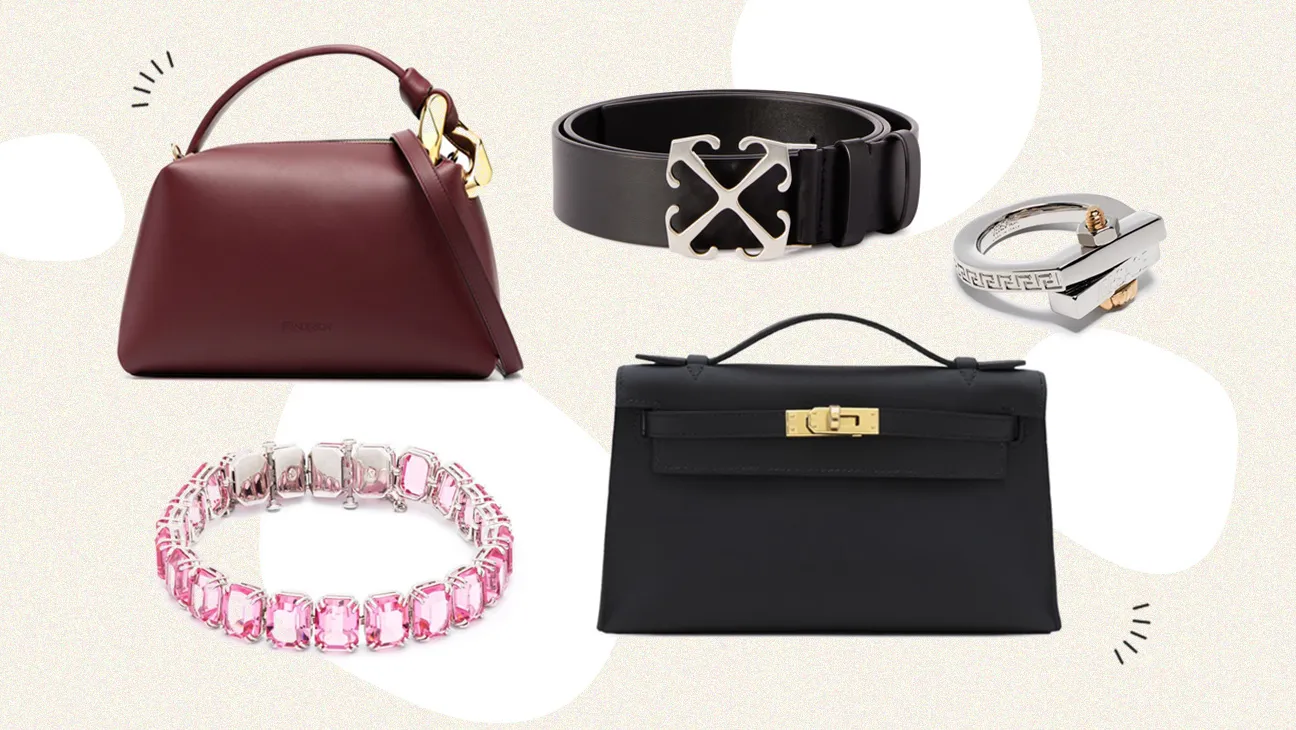
A handbag is both a visual anchor for your outfit and a functional daily tool. Choosing the right bag comes down to matching capacity, durability, and form factor to your routine.
- Structure vs. Softness: Structured bags (like totes and top-handle satchels) project professionalism and pair well with tailored coats and business attire. Unstructured bags (like slouchy hobo bags or canvas buckets) convey a relaxed, casual vibe.
- Daily Functionality: Consider your daily carry essentials. A work bag should accommodate a laptop, water bottle, and documents, featuring reinforced handles and secure zip closures. An evening clutch only needs room for a phone, keys, and lip balm.
- Material Selection: Full-grain and top-grain leathers offer maximum longevity and develop a rich patina over time. High-density canvas and ballistic nylon offer lightweight, weather-resistant durability for travel and casual use.
3. Belts: Function, Fit, and Finish
Belts serve a dual purpose: securing your garments and defining your silhouette. Every wardrobe benefits from at least two distinct types of belts.
- Classic Tailored Belts: Typically 1 to 1.5 inches wide with minimalist buckles in silver, gold, or gunmetal. These belong in belt loops on trousers, jeans, and tailored skirts. Match the leather color of your belt to your footwear for a clean, traditional look.
- Statement & Waist-Cinching Belts: Wider belts (2 inches or more), woven styles, or those featuring decorative hardware are designed to sit high on the natural waist over dresses, blazers, or coats to create an hourglass shape.
4. Eyewear: Frame Shapes and UV Protection
Sunglasses and optical frames sit directly on your face, making them one of the first things people notice. When buying eyewear, balance style with health protection.
- UV Protection: Ensure any sunglasses offer 100% protection against UVA and UVB rays (often labeled as UV400). Polarized lenses add comfort by reducing glare from reflective surfaces like water, snow, and pavement.
- Matching Frame to Face Shape:
- Round Faces: Angular, rectangular, or square frames add structure.
- Square Faces: Round, oval, or aviator styles soften strong jawlines.
- Heart Faces: Light-colored, rimless, or cat-eye frames balance a wider forehead.
- Oval Faces: Most frame shapes work well; maintain balance by picking frames as wide as the broadest part of your face.
5. Scarves, Wraps, and Headwear
Soft accessories add texture, color contrast, and seasonal comfort to your look.
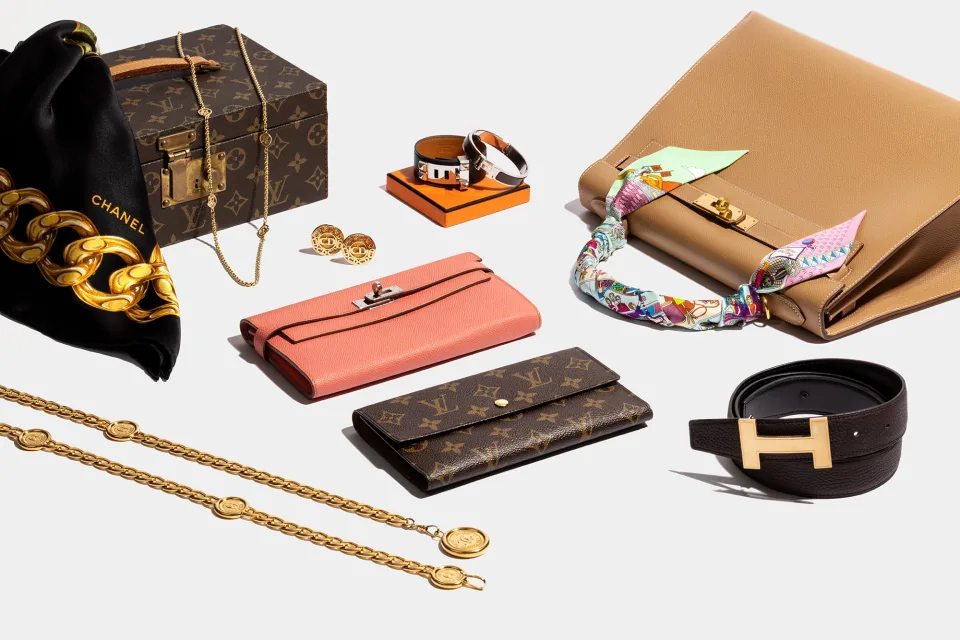
- Silk & Satin Scarves: Lightweight and glossy, silk square scarves can be tied around the neck, styled as hair accessories, or attached to handbag straps for a quick pop of color.
- Wool & Cashmere Wraps: Essential cold-weather companions. Cashmere provides lightweight warmth without bulk, making it ideal for sleek outerwear layering.
- Hats: Structured brimmed hats (fedoras, wide-brim felts) elevate tailored outerwear, while relaxed caps and beanies fit street style and casual aesthetics.
Essential Rules for Styling and Pairing Accessories
Possessing great accessories is only half the equation; styling them effectively is what produces a polished appearance. Follow these timeless styling guidelines:
- Establish a Single Focal Point: Avoid competing visual elements. If you choose a dramatic statement necklace, downplay your earrings to simple studs. If wearing a bold, brightly patterned scarf, keep your jewelry and handbag understated.
- Balance Fabric Weights and Textures: Pair heavy winter garments (like chunky wool sweaters or tweed coats) with substantial accessories like thick leather belts, heavy knit scarves, and bold boots. Pair summer linens and silks with delicate jewelry, woven straw bags, and lightweight scarves.
- Mix Metals with Intent: Traditional fashion rules dictated that all metal accents (watch, belt buckle, bag hardware, jewelry) had to match perfectly. Modern styling allows mixing metals (e.g., silver and gold together), provided the combination feels deliberate. Look for multi-tone pieces to bridge the gap effortlessly.
- Respect Scale and Proportion: If you have a petite frame, oversized bags and massive jewelry can overwhelm your look. Conversely, delicate accessories can look lost on broad, tall frames or over bulky outerwear. Match the scale of the accessory to your physical frame and outfit weight.
Quick Reference: Accessories Matrix for Every Occasion
Use this reference table to help select the appropriate accessory combination based on setting and dress code:
| Occasion | Recommended Handbag | Jewelry Style | Key Accent Pieces | Styling Tip |
|---|---|---|---|---|
| Professional / Corporate | Structured Tote or Satchel (Neutral Tones) | Minimalist: Stud earrings, subtle pendant, sleek watch | Classic leather belt, tailored silk neck scarf | Keep hardware uniform and understated to maintain a polished look. |
| Casual Weekend | Crossbody Bag, Canvas Tote, or Backpack | Casual: Stacked rings, hoop earrings, cord bracelets | Baseball cap, polarized sunglasses, woven belt | Focus on functionality, weather protection, and comfort. |
| Formal / Evening Event | Clutch, Minaudière, or Micro Shoulder Bag | Statement: Chandelier earrings, tennis bracelet, cocktail ring | Fine silk wrap or embellished hair accents | Choose one major jewelry piece to act as the visual anchor. |
| Travel & Leisure | Multi-compartment Travel Tote or Belt Bag | Durable: Water-resistant watch, simple stud earrings | Packable wide-brim hat, oversized cashmere wrap | Prioritize items that serve multiple functions (e.g., a wrap that works as a blanket). |
Building a Capsule Accessory Collection
Rather than accumulating impulse purchases, aim to curate a functional "capsule" accessory collection. This strategy focuses on acquiring high-utility, versatile classics before adding seasonal trend pieces.
Step 1: Secure the Core Basics (80% of Budget)
Allocate the majority of your budget toward foundational items crafted from high-grade materials. These pieces should feature neutral colors (black, tan, navy, cream, gold, silver) and clean lines that never go out of style:
- One high-quality leather tote or crossbody bag in a neutral color.
- One pair of high-UV protection sunglasses fitted to your face shape.
- One sleek everyday wristwatch with a leather or metal strap.
- Two high-grade leather belts (one dark, one light/neutral).
- A set of daily metal jewelry basics (hoop earrings, delicate chain, stackable rings).
- One versatile cashmere or fine-wool scarf.
Step 2: Introduce Trend & Accent Pieces (20% of Budget)
Use the remaining budget to experiment with seasonal colors, expressive patterns, and bold hardware. Because trend cycles move quickly, these pieces do not require the same financial investment as your foundational items. Examples include pattern-printed scarves, acrylic resin jewelry, vibrant seasonal clutches, or embellished hairpins.
Quality Checklist: How to Spot Durable Accessories
Knowing how to assess quality ensures your accessories remain attractive and usable for years. Keep this inspection checklist in mind when shopping:
Evaluating Leather Goods (Bags, Belts, Shoes)
- Material Grade: Look for terms like "Full-Grain" or "Top-Grain." Avoid products simply labeled "Genuine Leather" or "Bonded Leather," which are made from compressed leather scraps and wear down quickly.
- Stitching: Inspect the seams. Stitching should be tight, uniform, and free of loose threads or fraying. Stress points (where handles meet bag bodies) should feature reinforced cross-stitching or rivets.
- Edge Finishing: Check the raw edges of leather straps and belt edges. They should be cleanly burnished or smooth-painted, not flaking or sticky.
Evaluating Hardware and Closures
- Weight and Feel: Quality zippers, buckles, and clasps feel solid and heavy, usually made from solid brass or stainless steel rather than hollow plastic coated in metallic paint.
- Smooth Operation: Test all zippers, magnetic snaps, and turn-locks multiple times. Zippers should glide effortlessly without catching on interior lining fabric.
Evaluating Jewelry
- Metal Base & Plating Thickness: If buying gold-plated items, look for *Gold Vermeil* (thick gold plating over sterling silver) or *PVD Coating* over stainless steel, which offers superior tarnish resistance compared to standard flash plating.
- Clasp Integrity: Check lobster clasps, spring rings, and earring posts. Fasteners should shut securely with an audible click or firm spring action.
- Hypoallergenic Properties: If you have sensitive skin, prioritize nickel-free metals, sterling silver (925), titanium, or solid gold to prevent irritation.
Conclusion: Crafting Your Signature Look
Selecting fashion accessories is an art that blends practical functionality with individual expression. By prioritizing quality construction, mastering key styling proportions, and building a strong foundational capsule, you ensure every piece in your wardrobe works harder for you.
Instead of chasing every short-lived trend, take time to discover the shapes, colors, and textures that highlight your unique features and fit your daily rhythm. With a thoughtful approach to buying and styling accessories, effortless elegance becomes an everyday reality.