The Ultimate Guide to Choosing the Best Electronics: Essential Tips for Tech Enthusiasts
In an era where technology evolves at breakneck speed, navigating the vast landscape of consumer electronics can feel overwhelming. Whether you are looking to upgrade your home office, enhance your entertainment system, or find the perfect portable gadget for your lifestyle, making an informed decision is crucial. This guide provides a comprehensive overview of the best electronics categories, key features to look for, and expert tips to ensure you get the best value for your investment.
Understanding the Current Electronics Landscape
The electronics market is currently driven by three major pillars: connectivity, artificial intelligence (AI) integration, and sustainability. As we move further into the decade, the "best" products are no longer just those with the highest specifications, but those that offer seamless interoperability with other devices in your ecosystem.
When shopping for electronics, it is important to categorize your needs into three primary buckets:
- Productivity: Devices that streamline your workflow (Laptops, Tablets, Monitors).
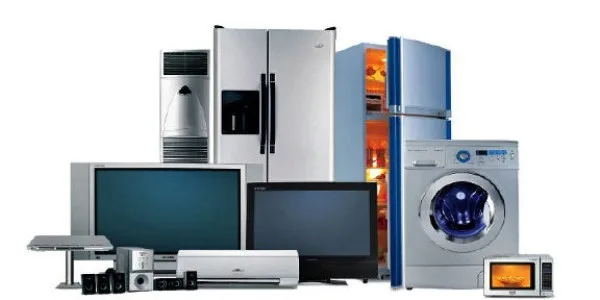
- Entertainment: Devices that provide high-fidelity experiences (Smart TVs, Audio Systems, Gaming Consoles).
- Utility: Devices that improve daily convenience (Smart Home Hubs, Wearables, Power Solutions).
Key Considerations Before Buying
Before hitting the "add to cart" button, every savvy shopper should evaluate a device based on a specific set of criteria. Avoid the trap of impulse buying by considering these four pillars of electronic quality.
1. Longevity and Future-Proofing
Electronics depreciate, but they shouldn't become obsolete within a year. Look for devices that support the latest connectivity standards (such as Wi-Fi 6E/7, USB4, or Bluetooth 5.3). Investing in hardware that supports firmware updates is essential to maintaining performance over time.
2. Energy Efficiency
With rising energy costs, the power consumption of your electronics matters. Look for certifications like ENERGY STAR for home appliances and TVs. For mobile devices, prioritize those with efficient battery management software.
3. Ecosystem Compatibility
The best electronics are those that play well with your existing gear. If you are already deeply invested in a specific operating system, look for hardware that offers native integration. This reduces friction and enhances the overall user experience.
4. Repairability and Support
A product is only as good as the support behind it. Research the availability of spare parts and the ease of repair. Products that are modular or have accessible service manuals often offer a better long-term return on investment.
Comparison of Must-Have Electronic Categories
To help you decide where to allocate your budget, the following table compares the essential electronic categories based on their typical lifespan and utility impact.
| Category | Primary Benefit | Typical Lifespan | Key Buying Factor |
|---|---|---|---|
| Computing (Laptops/PCs) | Productivity & Creation | 3–5 Years | Processor Speed & RAM |
| Display Tech (TVs/Monitors) | Visual Clarity | 5–7 Years | Panel Type (OLED/Mini-LED) |
| Audio (Headphones/Speakers) | Immersive Experience | 3–6 Years | Frequency Response & Comfort |
| Smart Home Hubs | Automation & Convenience | 2–4 Years | Protocol Support (Matter/Zigbee) |
Top Trends in Electronics for the Coming Year
Staying ahead of the curve means understanding where the industry is heading. Here are the trends that are currently defining the "best" products on the market:
The Rise of Matter-Enabled Smart Home Devices
The "Matter" standard is revolutionizing smart homes by allowing devices from different manufacturers to communicate effortlessly. When buying smart plugs, lights, or security cameras, ensure they are Matter-certified to future-proof your home automation.
Portable Power and GaN Technology
Gallium Nitride (GaN) technology has changed the game for chargers and power banks. These electronics are smaller, more efficient, and run cooler than traditional silicon-based chargers. If you travel frequently, investing in a high-wattage GaN charger is a must.
AI-Enhanced Processing
From cameras that use AI to optimize lighting to laptops that manage battery life based on your usage patterns, AI is becoming the "invisible" feature that separates good products from great ones. Always look for devices that mention dedicated Neural Processing Units (NPUs).
Tips for Finding the Best Deals
Finding the best electronics doesn't always mean paying the full retail price. Here is how to navigate the market effectively:
- Monitor Price History: Use browser extensions or price-tracking websites to see if a "sale" is actually a good deal or just a temporary markdown from an inflated price.
- The "Previous Generation" Strategy: Often, the best value lies in the previous year's flagship model. Manufacturers frequently discount these models heavily when a new version is released, yet they still offer top-tier performance.
- Refurbished with Warranty: Certified refurbished products from reputable sources are often indistinguishable from new units and come with full warranties at a fraction of the cost.
- Seasonal Shopping: Align your major electronic purchases with industry-wide sales events like Black Friday, Cyber Monday, or back-to-school seasons.
Maintenance: How to Extend the Life of Your Electronics
Once you have acquired the best electronics for your needs, maintenance is the final step to ensuring longevity. Follow these best practices:
Battery Health
For laptops and phones, avoid keeping the battery at 100% or 0% for extended periods. Most modern operating systems have "optimized charging" settings that you should enable to prevent battery degradation.
Physical Cleaning
Dust is the enemy of performance. Use compressed air to clean out cooling vents on laptops and consoles to prevent overheating. For screens, use microfiber cloths and avoid harsh chemicals that can strip anti-reflective coatings.
Software Hygiene
Regularly update your firmware and software. These updates often contain critical security patches and performance optimizations that can keep your device running smoothly for years beyond its initial release.
Conclusion: Making the Smart Choice
Choosing the best electronics is a balance of research, budget management, and understanding your specific needs. By focusing on longevity, ecosystem compatibility, and current technological standards, you can build a collection of devices that not only serve you well today but remain relevant for years to come.
Remember, the best product isn't necessarily the one with the most features; it’s the one that integrates seamlessly into your life, solves a problem, or provides the enjoyment you are looking for. Stay curious, keep researching, and make your next electronic purchase with confidence.