The Ultimate Guide to Choosing the Perfect Accessories: Elevate Your Style and Functionality
Accessories are the silent language of style. They are the final flourish that transforms an outfit from mundane to memorable, and the practical tools that make our daily lives more efficient. Whether you are looking to refine your professional aesthetic, add a pop of personality to a casual look, or invest in pieces that offer long-term utility, understanding how to select the right accessories is a skill worth mastering.
In this comprehensive guide, we explore the vast world of accessories—ranging from jewelry and watches to bags, scarves, and tech-integrated wearables. We will delve into how to choose pieces that balance form, function, and personal expression, ensuring every item you add to your collection serves a meaningful purpose.
Understanding the Role of Accessories in Your Wardrobe
Before diving into specific items, it is essential to understand the dual role that accessories play: aesthetic enhancement and functional utility. An accessory is never "just" an extra; it is a strategic addition.
- Aesthetic Anchoring: Accessories help define your style silhouette. A minimalist gold necklace can soften a structured blazer, while a bold, oversized scarf can add texture and color to a neutral ensemble.
- Functional Necessity: Many accessories, such as belts, wallets, and bags, are born out of necessity. The best accessories bridge the gap between being useful and being beautiful.
- Versatility Multiplier: A well-curated collection of accessories allows you to get more mileage out of your existing clothing. A simple dress can be styled for the office, a dinner date, or a weekend brunch simply by swapping your bag, shoes, and jewelry.
Essential Categories: A Buying Guide
To build a versatile collection, it is helpful to categorize accessories by their primary function and occasion. Below is a breakdown of key categories to consider when shopping.
1. Jewelry: The Personal Statement
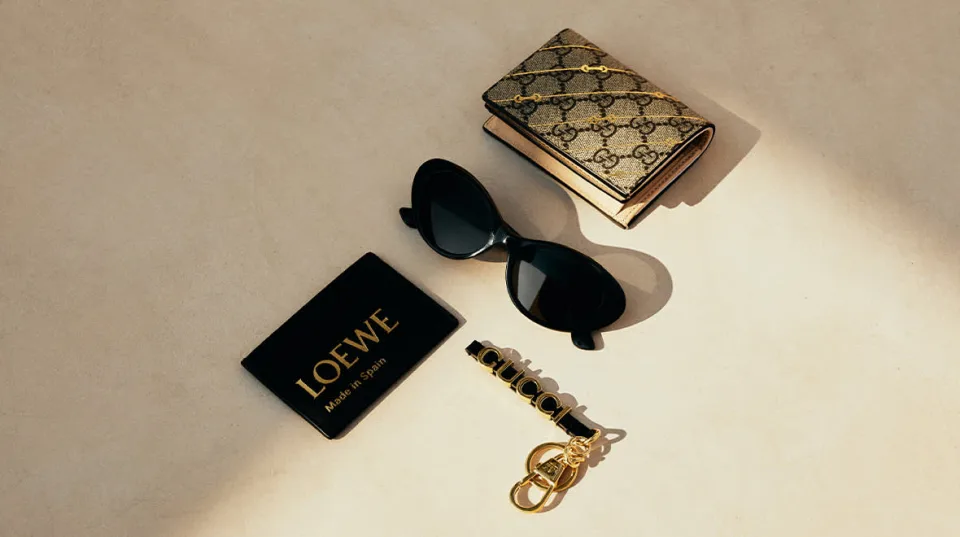
Jewelry is the most personal category of accessories. When shopping for jewelry, prioritize quality over quantity. Look for materials that suit your lifestyle—such as sterling silver, gold-filled, or hypoallergenic stainless steel for everyday wear.
2. Bags and Leather Goods
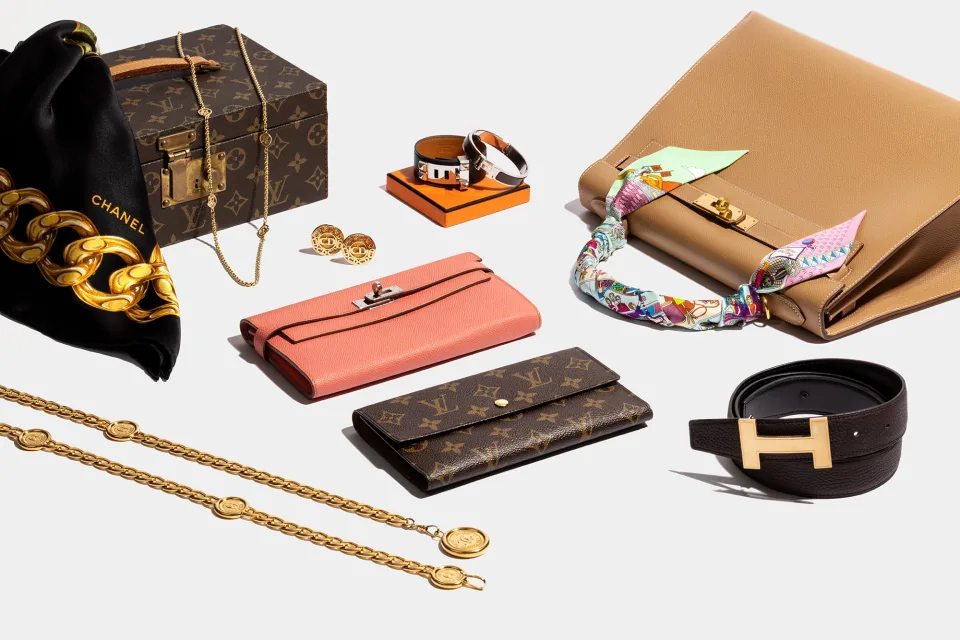
A bag is often the most used accessory in a wardrobe. Whether it is a briefcase for work, a crossbody for travel, or a structured tote for daily essentials, focus on hardware quality and stitching. Leather remains the gold standard for durability, though high-quality vegan alternatives are increasingly viable.
3. Watches and Timepieces
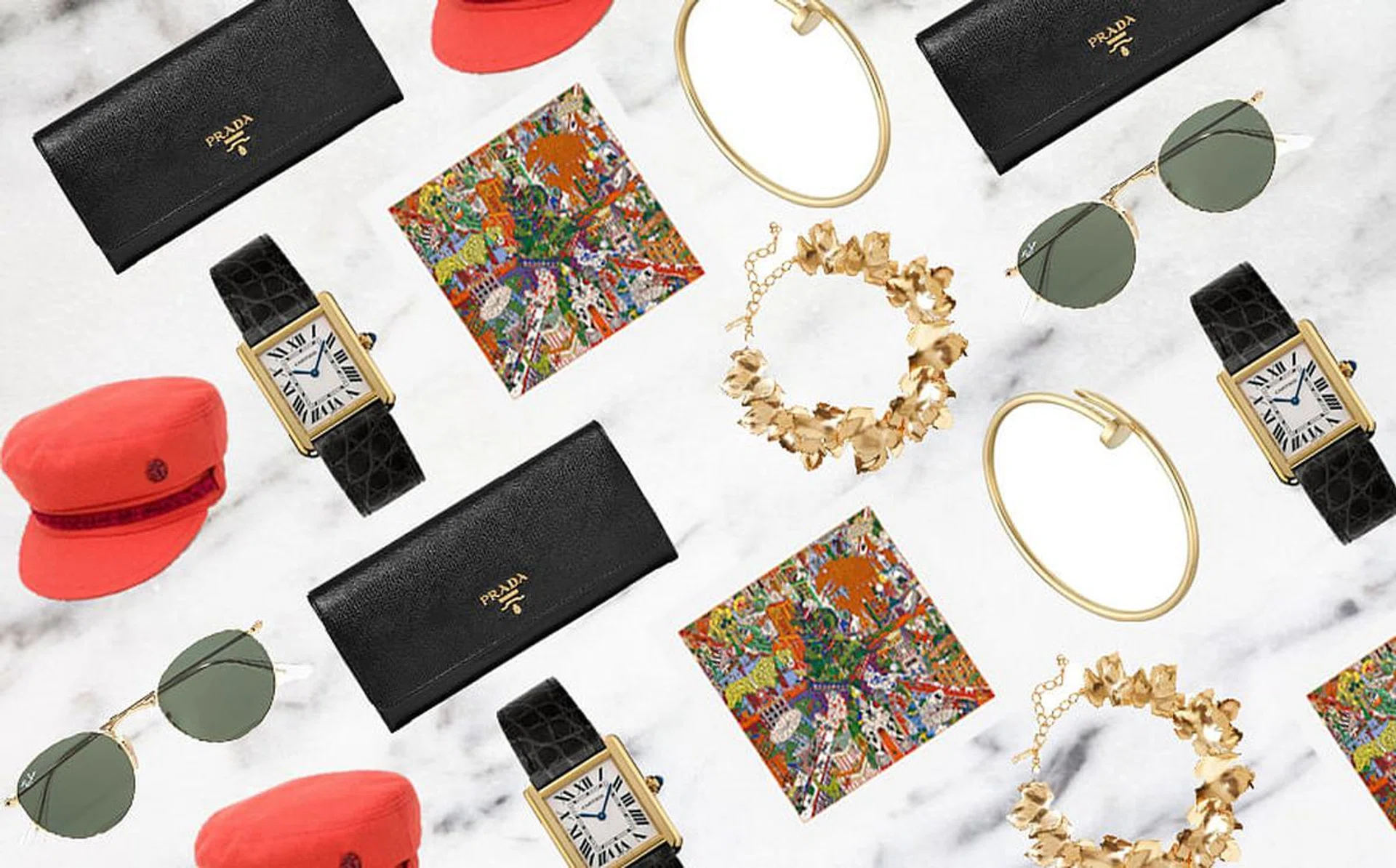
Beyond telling time, a watch is a reflection of personality. For a minimalist, a thin leather-strap watch works wonders. For those with an active lifestyle, a sport watch with tracking capabilities is a better investment.
4. Scarves, Belts, and Small Goods
These are the "supporting actors" of your outfit. A silk scarf can protect your neck while adding a splash of color, while a well-fitted leather belt is essential for pulling together tailored trousers.
Comparison Table: Selecting Accessories Based on Need
| Accessory Type | Primary Benefit | Key Shopping Tip | Best For |
|---|---|---|---|
| Structured Tote | Utility & Capacity | Check for reinforced stitching | Work and commuting |
| Classic Watch | Professionalism | Choose a neutral dial color | Formal and office wear |
| Statement Jewelry | Visual Interest | Ensure weight is comfortable | Events and evening wear |
| Tech Wearables | Health & Efficiency | Check battery life & OS compatibility | Fitness and daily productivity |
How to Choose Accessories Like a Pro: 5 Golden Rules
Buying accessories can be overwhelming given the sheer volume of options available. Follow these five rules to ensure you make smart, long-term purchases.
Rule 1: Prioritize Quality Over Trends
Fast fashion trends come and go, but high-quality accessories remain relevant for years. Instead of buying five cheap belts that will peel after a month, invest in one full-grain leather belt that will age beautifully over time. Look for sturdy hardware, solid materials, and timeless designs.
Rule 2: Consider Your Lifestyle
An accessory should never be a hindrance. If you commute via bicycle, a heavy leather satchel might be impractical; a sleek, water-resistant backpack would be a better choice. Always analyze your daily routine before clicking "add to cart."
Rule 3: Master the Art of Color Coordination
If your wardrobe is primarily neutral (black, white, navy, gray), your accessories are the perfect place to introduce color. Conversely, if your clothes are patterned or colorful, keep your accessories understated to maintain a balanced look. The goal is to create harmony, not competition.
Rule 4: Scale Matters
Proportion is the secret to a polished look. If you are petite, avoid oversized bags or massive statement jewelry that can overwhelm your frame. If you have a larger build, delicate, tiny pieces might get lost. Choose accessories that complement your physical proportions.
Rule 5: The "One-In, One-Out" Philosophy
To prevent clutter, adopt a minimalist approach. If you buy a new pair of sunglasses, consider donating or retiring an old pair that you no longer wear. This keeps your collection curated and ensures that every item you own is something you truly love and use.
Seasonal Transitions: Adapting Your Accessories
Your accessory collection should evolve with the seasons. Transitioning your gear is an easy way to refresh your look without buying new clothes.
Spring and Summer
Focus on lightweight materials and breathable textures. Think woven bags, light-colored leather, sunglasses with UV protection, and breathable fabric scarves. This is also the time to experiment with bolder colors and playful designs.
Autumn and Winter
Shift toward warmth and durability. Wool scarves, leather gloves, and darker-toned bags are staples. Functionality becomes more important as you deal with colder temperatures, so look for accessories that provide genuine protection against the elements.
Sustainable Accessory Shopping
In an era of conscious consumption, how we buy accessories matters. Sustainable shopping isn't just about buying "green" products; it's about buying things that last.
- Material Sourcing: Look for brands that use recycled metals, sustainably sourced leather, or innovative plant-based materials.
- Longevity: Ask yourself if the item can be repaired. A good pair of boots or a high-quality watch can be serviced for decades, whereas low-quality items are destined for the landfill.
- Versatility: The most sustainable accessory is one that you can wear in multiple ways. A reversible belt or a necklace that can be worn at two different lengths offers more value and reduces the need for additional items.
The Psychology of Accessories: Why They Matter
There is a psychological component to the accessories we choose. They often act as "armor" or "identifiers." A high-quality watch might signal reliability, while a unique piece of jewelry might signal creativity. When you select accessories that align with your personal brand, you feel more confident. Never underestimate the power of an accessory to boost your mood and influence how you carry yourself throughout the day.
Conclusion: Building Your Signature Collection
Selecting the right accessories is a journey of self-discovery. It is about finding the balance between what you need to function effectively and what you love to express your style. By focusing on quality, considering your daily lifestyle, and keeping your collection curated, you can build a set of accessories that not only lasts for years but also makes getting dressed every morning an effortless and enjoyable experience.
Remember, the best accessories are the ones that make you feel like the most confident version of yourself. Start small, invest in pieces that offer versatility, and enjoy the process of refining your unique look.