The Ultimate Guide to Choosing the Perfect Toys: A Developmental and Play-Based Approach
Choosing the right toy is more than just picking a colorful object off a store shelf. For children, toys are the tools of their trade—they are the primary instruments through which they explore the world, develop cognitive abilities, refine motor skills, and express their emotions. Whether you are a parent, grandparent, or gift-giver, navigating the vast world of toys can be overwhelming. This guide is designed to help you make informed decisions that balance safety, developmental value, and pure, unadulterated fun.
Understanding Developmental Stages and Toy Selection
The most important factor in choosing a toy is aligning it with a child’s current developmental stage. A toy that is too simple may be boring, while one that is too advanced can lead to frustration. Here is a breakdown of how to approach toy selection based on age groups:
Infants (0–12 Months): Sensory Exploration
At this stage, babies are learning about their environment through their senses. They are focused on textures, sounds, and visual contrast. Look for toys that encourage reaching, grasping, and tracking.
- Soft plush toys: For tactile stimulation.
- Rattles and musical toys: To help understand cause and effect.
- High-contrast books: To support visual development.
Toddlers (1–3 Years): Active Play and Imagination
Toddlers are in a phase of rapid physical growth and budding imagination. They love to move, stack, sort, and mimic the adults around them. Toys that allow for "open-ended" play are ideal here.
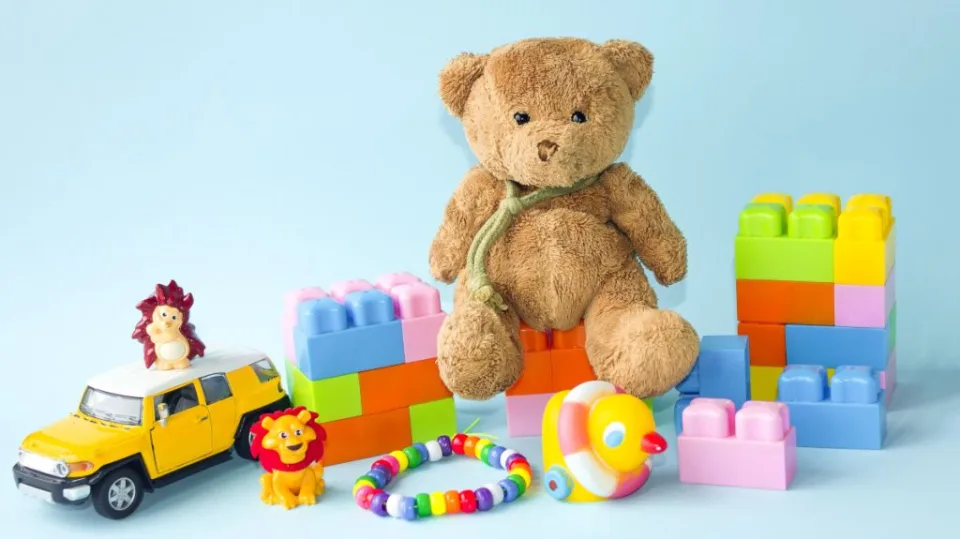
- Building blocks: Essential for spatial awareness and fine motor skills.
- Push-and-pull toys: Perfect for children who are gaining confidence in walking.
- Simple pretend-play sets: Kitchens or tool sets that encourage role-playing.
Preschoolers (3–5 Years): Creative and Social Play
During these years, children begin to play with others rather than just alongside them. Their fine motor skills have improved, allowing for more intricate tasks. This is the golden age of imaginative storytelling.
- Art supplies: Crayons, clay, and paper for creative expression.
- Dress-up clothes: To fuel elaborate fantasy scenarios.
- Puzzles: To build problem-solving skills and patience.
Comparison Table: Key Toy Categories by Developmental Benefit
| Category | Primary Benefit | Example Toys |
|---|---|---|
| STEM Toys | Logic, math, and scientific thinking | Coding robots, building sets, science kits |
| Active/Outdoor | Gross motor skills and physical health | Balls, jump ropes, balance bikes |
| Artistic/Creative | Self-expression and fine motor skills | Drawing kits, musical instruments, clay |
| Educational/Games | Social skills and strategic thinking | Board games, card games, word puzzles |
The Importance of Open-Ended Play
One of the most valuable concepts in child development is "open-ended play." These are toys that do not have a single "correct" way to be used. Unlike a video game or a toy with a strict set of rules, open-ended toys allow the child to be the director of their own play experience.
Why choose open-ended toys? They foster creativity and critical thinking. When a child plays with a set of wooden blocks, they can build a castle today and a spaceship tomorrow. This flexibility prevents boredom and encourages the child to use their imagination to solve problems rather than relying on the toy to provide the entertainment.
Safety First: A Checklist for Parents
Safety should never be compromised. Before purchasing any toy, perform a quick safety audit to ensure the item is appropriate for the intended recipient.
- Check Age Recommendations: These labels are not suggestions; they are based on safety standards regarding small parts and potential choking hazards.
- Inspect for Durability: Avoid toys with sharp edges, brittle plastic, or small parts that could easily detach.
- Material Quality: Look for non-toxic, BPA-free plastics and lead-free paints, especially for younger children who are likely to put toys in their mouths.
- Battery Safety: Ensure that battery compartments are secured with screws, especially for toys intended for children under age 3.
Trends in the Toy Industry: What’s Worth the Hype?
The toy industry is constantly evolving, influenced by technology, sustainability trends, and educational research. Staying current can help you find toys that offer more value than just a passing fad.
The Rise of STEM/STEAM
STEM (Science, Technology, Engineering, and Math) toys have become a staple in modern households. These toys aim to make learning complex concepts accessible through play. From magnetic building tiles to beginner-level coding kits, these toys are excellent for fostering a lifelong interest in technology and problem-solving.
Sustainability and Eco-Friendly Toys
More parents are prioritizing the environment when selecting toys. There is a significant shift toward toys made from sustainable materials like wood, organic cotton, and recycled plastics. These items are not only better for the planet but are often more durable and aesthetically pleasing than their mass-produced counterparts.
The "Analog" Resurgence
Despite the dominance of digital screens, there is a strong movement back toward tactile, analog play. Board games, card games, and complex jigsaw puzzles are seeing a resurgence. These toys provide a necessary break from screens and encourage face-to-face social interaction, which is vital for emotional development.
How to Organize and Rotate Toys
A common issue in many households is "toy clutter." When children have too many toys available at once, they often become overwhelmed and end up playing with none of them. Implementing a toy rotation system can solve this problem effectively.
- Categorize: Group toys by type (e.g., building, imaginative, artistic).
- Store: Keep 70-80% of the toys in a storage area out of sight.
- Rotate: Every few weeks, swap the toys currently in the play area with those in storage.
This simple method makes old toys feel new again and helps children maintain focus on the items they have, leading to deeper, more meaningful play sessions.
Choosing Toys for Children with Special Needs
When selecting toys for children with different developmental needs, it is important to look beyond age labels. Focus on the child’s specific interests and sensory preferences.
- Sensory-Seeking Children: Toys that provide tactile, visual, or auditory feedback (like textured balls or weighted plushies) can be very soothing.
- Children with Fine Motor Challenges: Look for toys with large, easy-to-grasp pieces or simple switches.
- Children with Social Interaction Goals: Cooperative board games where players work together toward a common goal can be more beneficial than highly competitive games.
Final Thoughts: The Best Toy is You
While this guide provides a roadmap for selecting the best products, it is important to remember that the most effective "toy" in a child's life is often their caregiver. No matter how sophisticated or educational a toy may be, it cannot replace the developmental benefits of interactive play with an adult. Use toys as a bridge to connect with your child, ask them questions about what they are building, and join in on their imaginative worlds.
By choosing high-quality, age-appropriate, and engaging toys, you are providing your child with more than just entertainment—you are providing them with the building blocks for a lifetime of curiosity, creativity, and learning. Happy playing!