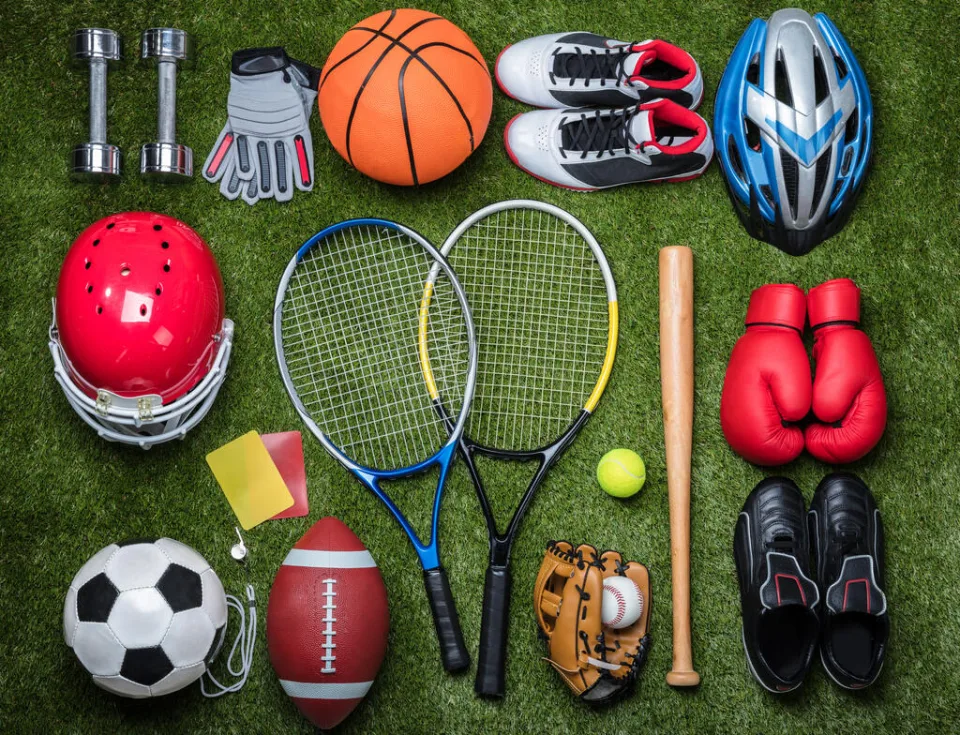
The Ultimate Guide to Choosing the Right Sports Equipment: A Performance-Driven Approach
Whether you are a seasoned athlete aiming for a personal best or a beginner stepping onto the field for the first time, the quality and suitability of your sports equipment play a pivotal role in your performance and safety. Choosing the right gear is not just about aesthetics or brand loyalty; it is about finding the intersection between functionality, ergonomics, and your specific athletic goals.
In this comprehensive guide, we will explore the essential considerations for selecting sports equipment across various disciplines, helping you make informed decisions that elevate your game and protect your body.
Understanding the Importance of Specialized Gear
Many beginners make the mistake of assuming that "general-purpose" equipment is sufficient for all sports. However, sports science has evolved to create specialized gear designed to mitigate injury risks and optimize movement patterns. For instance, the biomechanics of a tennis shoe differ significantly from a running shoe; the former provides lateral stability for side-to-side movements, while the latter focuses on forward-motion cushioning.
Investing in the right gear is an investment in your longevity as an athlete. Using subpar equipment can lead to repetitive strain injuries, poor posture, and a plateau in your skill development.
Key Factors to Consider Before You Buy
Before you commit to a purchase, you must evaluate your specific needs. Not every piece of equipment is built for every environment or intensity level.
1. Material Quality and Durability
The longevity of sports gear is determined by the materials used. High-performance synthetics, moisture-wicking fabrics, and carbon-fiber components are designed to withstand high stress. Look for materials that offer a balance between weight and strength. For outdoor sports, UV resistance and weatherproofing are essential, while indoor gear should prioritize breathability.
2. Ergonomics and Fit
Nothing hampers performance faster than ill-fitting gear. Whether it is a helmet, a pair of cleats, or a tennis racket, the fit must be precise. Ergonomics refers to how the equipment integrates with your body’s natural range of motion. Always test equipment in a simulation of the actual sport—if you are buying shoes, try them on with the specific socks you intend to wear during training.
3. Sport-Specific Safety Standards
Safety should never be compromised. For contact sports or high-speed activities like cycling or skiing, ensure that your equipment meets international safety certifications (such as Snell, DOT, or ASTM standards). These certifications indicate that the product has undergone rigorous impact and durability testing.
Comparing Equipment Types by Sport
To help you navigate the market, we have categorized the essential requirements for some of the most popular sports categories.
| Sport Category | Primary Focus | Key Buying Factor |
|---|---|---|
| Field Sports (Soccer, Rugby) | Traction & Impact | Cleat configuration & shin guard protection |
| Racquet Sports (Tennis, Badminton) | Control & Agility | Racket weight, grip size, and shoe stability |
| Endurance (Running, Cycling) | Efficiency & Comfort | Weight, breathability, and ergonomic geometry |
| Strength Training | Stability & Support | Sole firmness and joint support structures |
How to Choose Footwear for Different Terrains
Footwear is the most critical piece of equipment for almost any sport. The wrong shoe can lead to issues ranging from blisters to chronic knee and hip pain.
- Hard Surfaces (Court Sports): Look for shoes with a non-marking outsole, high lateral support, and a low-to-the-ground profile to prevent ankle rolls.
- Soft/Uneven Terrain (Trail Running, Soccer): Prioritize deep-lug outsoles for traction and a reinforced toe cap to protect against rocks and debris.
- Road Surfaces (Running, Walking): Focus on shock absorption, heel-to-toe drop, and arch support tailored to your gait (neutral, overpronation, or underpronation).
The Role of Technology in Modern Sports Gear
We are living in an era of "Smart Sports." Modern equipment is increasingly integrating technology to provide real-time feedback. Wearable sensors, smart fabrics that monitor heart rate, and aerodynamic designs derived from wind-tunnel testing are no longer exclusive to professional athletes.
Should You Invest in High-Tech Gear?
While technology can provide a competitive edge, it is important to distinguish between "gimmicks" and "performance enhancers." If you are a beginner, focus on the fundamentals—mastering your technique—before investing in data-heavy equipment. Once you reach an intermediate level, tools that track your cadence, force output, or heart rate zones can provide the data necessary to break through performance plateaus.
Maintenance Tips to Extend the Life of Your Gear
Once you have invested in quality equipment, maintenance is the final step in the buying process. Proper care ensures that your gear performs at its peak for as long as possible.
- Cleaning: Always follow the manufacturer’s instructions. Avoid harsh detergents that can degrade the structural integrity of synthetic fibers.
- Storage: Keep equipment in a cool, dry place. Humidity is the enemy of most sports gear, leading to mold, rust, and the degradation of adhesives.
- Regular Inspection: Check for signs of wear and tear—frayed straps, worn-down treads, or hairline cracks in hard shells. If a safety-critical item shows damage, replace it immediately.
Common Mistakes to Avoid When Shopping
Even with the best intentions, shoppers often fall into common traps. Avoiding these mistakes will save you time and money:
- Buying based on popularity: Just because a pro athlete endorses a product does not mean it is the right fit for your body type or skill level.
- Ignoring the "Break-in" period: Never use brand-new equipment for a major competition. Always test your gear during several training sessions to ensure it is comfortable and functional.
- Over-spending on entry-level needs: You don't need the most expensive carbon-fiber equipment when you are still learning the basics. Start with reliable, durable mid-range gear and upgrade as your skills progress.
Conclusion: The Path to Athletic Excellence
Choosing the right sports equipment is a process of self-discovery. It requires you to understand your own body, your athletic environment, and the demands of your chosen discipline. By focusing on quality, fit, and safety, you create the foundation for a sustainable and rewarding athletic journey.
Remember, the best equipment is the one that allows you to forget it is there—the one that feels like a natural extension of your body, enabling you to focus entirely on your performance. Take your time, do your research, and prioritize gear that supports your long-term health and athletic goals.