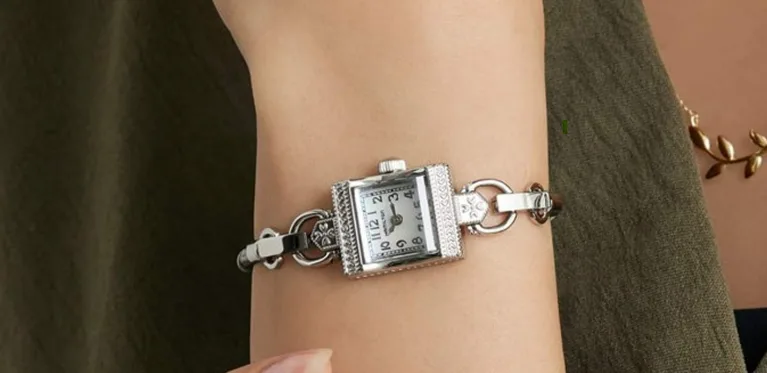
The Ultimate Guide to Investing in Jewelry and Watches: How to Choose Timeless Pieces
Investing in jewelry and watches is more than just a purchase; it is an acquisition of art, history, and personal expression. Whether you are looking for an heirloom-quality timepiece or a signature piece of jewelry that will stand the test of time, the world of luxury accessories can be overwhelming. From understanding metal purities and gemstone grading to mastering the mechanics of horology, making an informed decision requires knowledge and patience.
This comprehensive guide is designed to help you navigate the intricate market of fine jewelry and horology, ensuring that every piece you add to your collection is both a beautiful accessory and a sound investment.
Understanding Fine Jewelry: Metals and Gemstones
Before purchasing any piece of jewelry, it is essential to understand the materials that constitute its value and durability. Jewelry is not merely about aesthetics; it is about the chemistry and rarity of the components used.
The Metal Hierarchy
The foundation of any piece of fine jewelry is the metal. While trends change, precious metals remain the gold standard for long-term value.
- Gold: Measured in karats (K), 24K is pure gold but often too soft for everyday wear. 18K (75% gold) is considered the sweet spot for luxury jewelry, offering a perfect balance of durability and purity.
- Platinum: Known for its incredible density and resistance to tarnish, platinum is the preferred choice for settings that hold high-value diamonds. It is hypoallergenic and develops a unique patina over time.
- Sterling Silver: While beautiful and affordable, silver is prone to oxidation. It is excellent for fashion-forward pieces but requires more maintenance than gold or platinum.
The 4 Cs of Diamonds
When buying diamond jewelry, the "4 Cs" remain the universal language of quality:
- Cut: Arguably the most important factor, as it determines how the stone interacts with light. A well-cut diamond sparkles more intensely.
- Color: Graded on a scale from D (colorless) to Z (light yellow). For most, a near-colorless grade (G-J) offers the best value.
- Clarity: Measures the presence of internal inclusions. "Eye-clean" stones (VS1 or VS2) are generally sufficient for the naked eye.
- Carat: Refers to the weight of the diamond, not its physical size.
The Art of Horology: Choosing the Perfect Watch
Unlike jewelry, a watch is a complex machine. When selecting a timepiece, you are choosing between quartz (battery-powered) and mechanical (hand-wound or automatic) movements. For collectors, mechanical watches are the gold standard due to their craftsmanship and longevity.
Key Factors to Consider Before Buying
- Movement: Mechanical watches are intricate pieces of engineering. If you appreciate the "soul" of a watch, look for a mechanical movement. If you prioritize accuracy and convenience, quartz is the superior choice.
- Complications: These are functions beyond telling time, such as chronographs, moon phases, or perpetual calendars. Choose complications based on your actual needs, as they increase the complexity and maintenance cost of the watch.
- Case Material: Stainless steel is the versatile workhorse, while gold and titanium offer prestige and lightweight durability, respectively.
- Water Resistance: Always check the depth rating. A watch rated for 30 meters is splash-resistant, while 100 meters or more is required for swimming or diving.
Comparison Table: Jewelry vs. Watch Investment
| Feature | Fine Jewelry | Luxury Watches |
|---|---|---|
| Primary Value | Materials (Gold, Gems) | Craftsmanship & Brand Heritage |
| Maintenance | Cleaning & Prong Checks | Regular Service (Every 3-5 years) |
| Trend Sensitivity | Low (Classic designs endure) | Medium (Vintage vs. Modern) |
| Durability | High (If stored properly) | Mechanical wear and tear |
Tips for Building a Curated Collection
Building a collection should be a deliberate process rather than a series of impulsive buys. Here are some strategies to ensure your collection retains value and brings joy for years to come.
1. Focus on Versatility
Start with "staple" pieces. For jewelry, this means a pair of high-quality stud earrings, a simple gold chain, or a classic solitaire ring. For watches, a clean, three-hand watch with a neutral dial is the perfect starting point for any wardrobe.
2. Prioritize Craftsmanship Over Brand Name
While established names carry prestige, independent artisans often offer better quality for the price. Look for hallmarks of quality: tight settings in jewelry, smooth winding action in watches, and clean finishing on edges.
3. Consider the "Cost Per Wear"
A $5,000 watch that you wear every single day for ten years costs less than $1.50 per day. When viewed through this lens, investing in high-quality materials becomes a logical financial decision rather than a luxury indulgence.
Caring for Your Investment
Even the finest jewelry and watches require maintenance to remain in pristine condition. Neglect is the primary cause of depreciation and damage.
Jewelry Maintenance
- Storage: Store pieces individually in fabric-lined boxes to prevent scratching. Gemstones like diamonds can scratch other jewelry if stored together.
- Cleaning: Use mild soap and warm water for most pieces. Avoid ultrasonic cleaners for delicate stones like emeralds or opals.
- Professional Inspection: Have a jeweler check your settings for loose prongs at least once a year.
Watch Maintenance
- Winding: If you have an automatic watch that you don't wear daily, consider a watch winder to keep the internal oils distributed.
- Service: Mechanical watches require professional servicing every 3 to 5 years to clean and lubricate the movement.
- Avoid Magnets: Strong magnetic fields can interfere with the accuracy of mechanical watches. Keep your timepieces away from speakers, tablets, and magnetic clasps.
Identifying Trends vs. Timelessness
In the jewelry and watch industry, trends are cyclical. While it is fun to participate in current fashion, your core collection should be built on timeless designs.
What to avoid: Avoid pieces that rely heavily on "fads," such as oversized logos or overly complex, fragile designs that cannot be easily repaired. These items often lose their appeal quickly and are difficult to resell.
What to embrace: Look for classic silhouettes. In jewelry, this means clean lines, geometric shapes, and traditional settings. In watches, this means balanced dials, legible indices, and classic case sizes (typically between 36mm and 42mm for men, and 26mm to 36mm for women).
Conclusion: The Emotional and Financial Value
Choosing jewelry and watches is a deeply personal journey. Whether you are drawn to the sparkle of a perfectly cut gemstone or the rhythmic heartbeat of a mechanical watch movement, the best purchases are those that resonate with your personal style and values.
By prioritizing quality materials, understanding the mechanics behind your pieces, and committing to proper maintenance, you ensure that your collection will not only serve as a testament to your taste but also as a legacy that can be passed down through generations. Remember, the true value of fine jewelry and horology lies in the memories they capture and the confidence they instill in the wearer.
Take your time, research extensively, and buy only what you truly love. In the world of luxury accessories, patience is always rewarded with timeless beauty.

