The Ultimate Guide to Selecting Essential Equipment and Tools for Professional Event Planners
The event planning industry is a dynamic, fast-paced field that demands not only creativity and logistical precision but also the right set of tools. Whether you are orchestrating an intimate corporate workshop, a grand wedding, or a large-scale music festival, the quality of your equipment can make or break the attendee experience. For professional event planners, investing in the right gear is not just about convenience; it is about ensuring reliability, safety, and operational efficiency.
This comprehensive guide explores the essential categories of products and equipment that every event planner should consider. From audiovisual technology to crowd management solutions, we will break down how to choose the right tools to elevate your event execution.
Understanding Your Event Requirements
Before diving into specific products, it is crucial to understand the scope of your events. Not all event planners need the same toolkit. A wedding planner might prioritize aesthetics and portable décor, while a corporate event planner focuses on connectivity and presentation technology. When evaluating products, always consider the "Big Three": Scalability, Durability, and Portability.
- Scalability: Does the equipment grow with your event size? Modular systems are often better than fixed ones.
- Durability: Events are high-stress environments. Equipment must withstand transport, repeated setup, and potential exposure to elements.
- Portability: Can your team easily transport and assemble the items? Weight and ease of storage are critical factors.
1. Audiovisual and Presentation Technology
In the digital age, audiovisual (AV) equipment is the heartbeat of most professional events. Clear sound and crisp visuals are non-negotiable.
Sound Systems and Microphones
When selecting sound equipment, prioritize versatility. Wireless microphone systems are essential for speakers who move around the stage. Look for UHF systems to avoid frequency interference. For speakers, opt for powered, active PA systems that offer built-in amplification, reducing the amount of cabling required.
Visual Displays and Projection
Projectors are standard, but LED video walls are becoming the gold standard for large-scale events due to their high brightness and modular nature. When choosing between a projector and an LED screen, consider the ambient light of the venue. High-lumen projectors are necessary for rooms with large windows, whereas LED panels provide better clarity in high-contrast environments.
2. Furniture and Seating Solutions
Comfort is a key component of attendee satisfaction. Whether it is a gala dinner or a long-form seminar, the right furniture influences how long guests stay and how engaged they remain.
Choosing the Right Chairs
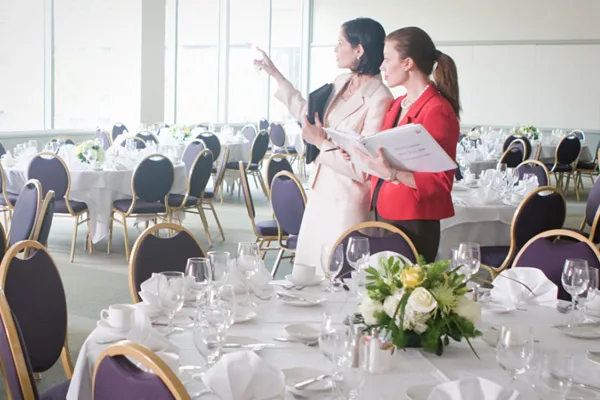
For formal events, Chiavari or cross-back chairs are popular for their aesthetic appeal. However, for long corporate conferences, prioritize ergonomic design. Look for chairs with proper lumbar support and stackability features, which significantly reduce storage requirements and setup time.
Tables and Staging
Modular staging systems are a must-have for event planners. Look for decks that feature adjustable heights and interlocking mechanisms. When buying tables, prioritize lightweight materials like high-density polyethylene (HDPE) or aluminum frames that offer heavy-duty weight capacity without the bulk of solid wood.
3. Crowd Management and Safety Gear
Safety is the silent pillar of successful event planning. Without proper crowd control, even the most beautiful event can turn into a logistical nightmare.
Stanchions and Barriers
Retractable belt stanchions are the industry standard for queue management. When selecting these, check the weight of the base; a heavier base prevents tipping in high-traffic areas. For outdoor events, consider interlocking plastic barricades that can be weighted with sand or water for added stability.
Signage and Wayfinding
Digital signage kiosks are replacing static posters. They allow for real-time updates to schedules, room changes, or emergency notifications. Ensure your digital signage software is cloud-compatible so you can manage content remotely during the event.
Comparison Table: Key Equipment Features
| Category | Key Feature to Look For | Best Use Case |
|---|---|---|
| AV Systems | Wireless Connectivity/UHF | Conferences, Keynotes |
| Seating | Stackability/Weight | Galas, Large Conferences |
| Staging | Modular/Interlocking | Performances, Presentations |
| Crowd Control | Weighted Bases/Retractable | Queues, Entry Points |
4. Lighting: The Mood Setter
Lighting is often underestimated, but it is the most effective tool for transforming a venue. The trend in the industry is shifting toward LED-based lighting due to low heat emission and energy efficiency.
Uplighting
Wireless LED uplights are a game-changer for event planners. They eliminate the need for unsightly cables running across the floor, significantly reducing trip hazards. Look for fixtures that offer RGBWA (Red, Green, Blue, White, Amber) color mixing to achieve a broader spectrum of shades, especially warm whites for weddings.
Spotlighting and Gobos
For highlighting speakers or specific decor elements, pin-spotting or gobo projectors are essential. A gobo projector allows you to project logos or patterns onto walls or floors, adding a layer of customization that clients love.
5. Event Technology and Connectivity
Modern events rely heavily on data. Whether it is guest registration, live streaming, or interactive polls, you need a robust digital infrastructure.
Wi-Fi Solutions
Never rely solely on a venue’s public Wi-Fi. Professional event planners should invest in portable, high-capacity mobile hotspots or dedicated mesh networking systems. This ensures that your registration tablets and streaming equipment stay connected even if the venue’s infrastructure fails.
Power Distribution
One of the most common oversights is inadequate power. Always carry a professional-grade power distribution box (distro) rather than relying on standard power strips. Ensure all your cabling is rated for outdoor use if you are planning events in varying environments.
Tips for Purchasing and Maintenance
Investing in event equipment is a significant capital expenditure. Follow these tips to maximize your return on investment (ROI):
- Test Before You Buy: Always request a demo or a rental trial for complex AV equipment. Never buy a new lighting system without seeing how it performs in a dark room.
- Prioritize Modular Designs: Equipment that can be reconfigured for different event types (e.g., a stage that can become a runway) provides better value over time.
- Maintenance Schedules: Create a maintenance log. Clean your projectors' filters, tighten chair bolts, and test battery health on all wireless devices after every event.
- Storage Matters: Purchase protective flight cases for all delicate equipment. A high-quality flight case can double the lifespan of your AV gear by protecting it from impact and dust during transit.
Current Trends in Event Equipment
The event industry is currently trending toward sustainability and interactivity. When buying new equipment, look for "green" certifications. LED lighting is a start, but also consider eco-friendly furniture options made from recycled materials. Additionally, look for equipment that supports "phygital" (physical and digital) experiences, such as integrated QR code scanners or NFC-enabled check-in kiosks.
Conclusion
Selecting the right equipment as an event planner is about balancing form, function, and reliability. By investing in high-quality, modular, and durable products, you build a foundation that allows you to focus on what really matters: the experience of your guests. Start by assessing your most frequent event types, prioritize the essential categories—AV, furniture, safety, and power—and always keep an eye on emerging technologies that can streamline your workflow. With the right tools in your arsenal, you are not just planning an event; you are crafting an unforgettable experience.