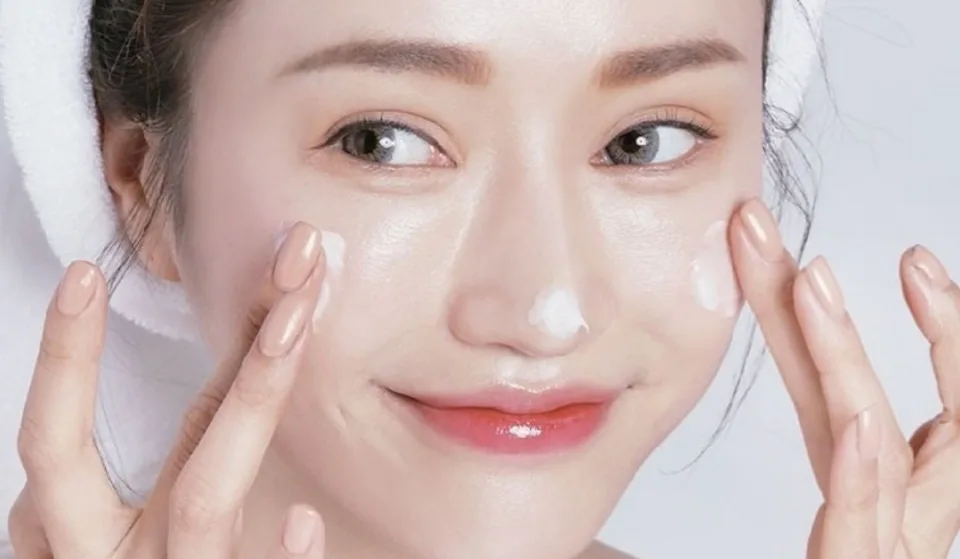
Physical vs. Chemical Exfoliants: Which Is Best for Your Skin Type?
Achieving a radiant, smooth complexion is the primary goal of any effective skincare routine. Among the many steps involved in maintaining healthy skin, exfoliation stands out as a critical process. By removing dead skin cells from the surface, exfoliation prevents clogged pores, improves texture, and enhances the absorption of your serums and moisturizers. However, the age-old debate remains: should you opt for physical scrubs or chemical acids? Understanding the difference between these two categories is essential for building a routine that yields results without compromising your skin barrier.
What is Physical Exfoliation?
Physical exfoliation, often referred to as manual exfoliation, involves the use of abrasive textures to physically buff away dead skin cells. This category includes a wide range of products and tools, such as:
- Scrubs: Creams or gels containing fine particles like apricot kernels, sugar, salt, or microbeads.
- Exfoliating Tools: Loofahs, konjac sponges, facial brushes, and microfiber cloths.
- Microdermabrasion: Professional or at-home devices that use diamond tips or suction to resurface the skin.
The primary benefit of physical exfoliation is immediate gratification. You can feel the skin becoming smoother as you use the product. It is a straightforward, mechanical process that requires no waiting time for ingredients to "activate."
What is Chemical Exfoliation?
Chemical exfoliation may sound intimidating, but it is often considered the gold standard by dermatologists. Instead of using friction, chemical exfoliants use acids or enzymes to dissolve the "glue" (lipids) that holds dead skin cells together, allowing them to slough off naturally. The most common chemical exfoliants fall into three main groups:
- Alpha Hydroxy Acids (AHAs): Water-soluble acids like Glycolic, Lactic, and Mandelic acid. They work on the skin's surface to brighten and hydrate.
- Beta Hydroxy Acids (BHAs): Oil-soluble acids like Salicylic acid. They penetrate deep into the pores to clear out excess sebum and debris.
- Poly Hydroxy Acids (PHAs): Larger molecules that exfoliate gently, making them ideal for sensitive skin types.
Comparison Table: Physical vs. Chemical Exfoliation
| Feature | Physical Exfoliation | Chemical Exfoliation |
|---|---|---|
| Mechanism | Manual friction/abrasion | Dissolving bonds between cells |
| Intensity | Variable (depends on hand pressure) | Controlled (depends on concentration) |
| Best For | Quick surface smoothing | Acne, anti-aging, hyperpigmentation |
| Risk Factor | Micro-tears if used too aggressively | Chemical burns if overused |
| Skin Type | Thick, resilient skin | All types (if chosen correctly) |
How to Choose Based on Your Skin Type
Your skin type is the most important factor when deciding between physical and chemical exfoliation. Using the wrong method can lead to irritation, redness, or a compromised moisture barrier.
For Oily and Acne-Prone Skin
If you struggle with blackheads and excess oil, BHAs (Salicylic Acid) are your best friend. Because they are oil-soluble, they dive deep into the pore lining to dissolve clogs. Physical scrubs should be used with extreme caution here, as rubbing active acne can spread bacteria across the face, leading to more breakouts.
For Dry and Dull Skin
Dry skin often looks dull because of a buildup of flaky dead cells. AHAs like Lactic acid are excellent here because they not only exfoliate but also act as humectants, drawing moisture into the skin. A gentle, fine-grained physical scrub can also be used once a week to manually remove flakes, provided it is not overly abrasive.
For Sensitive Skin
If your skin turns red easily or you have conditions like rosacea, skip the physical scrubs entirely. The friction can be too much for a fragile barrier. Instead, opt for PHAs or low-concentration Lactic acid. These provide a very gentle resurfacing effect without the mechanical trauma of scrubbing.
The Risks of Over-Exfoliation
Regardless of the method you choose, moderation is the key to success. Over-exfoliation is a common skincare mistake that strips the skin of its natural oils and protective barrier. Signs that you are exfoliating too much include:
- Persistent redness and inflammation.
- A "waxy" or shiny appearance to the skin.
- Increased sensitivity to other products (e.g., your moisturizer stings).
- Sudden breakouts or "tight" skin feeling.
If you notice these signs, stop all exfoliating treatments immediately. Focus on barrier repair by using ceramides, hyaluronic acid, and gentle cleansers until your skin returns to its baseline.
Best Practices for a Safe Exfoliation Routine
To maximize the benefits of exfoliation while minimizing risk, follow these professional guidelines:
1. Start Slow
Never start by exfoliating daily. Begin with once or twice a week. Observe how your skin reacts over a two-week period before considering increasing the frequency.
2. Always Use Sunscreen
Exfoliation removes the top layer of dead skin, which makes your fresh, new skin cells more vulnerable to UV damage. Chemical exfoliants, in particular, can increase photosensitivity. A broad-spectrum SPF 30 or higher is non-negotiable the morning after exfoliating.
3. Don’t Mix Acids
Avoid layering different types of chemical exfoliants (e.g., using a Glycolic acid toner followed by a Salicylic acid serum) in the same routine unless they are formulated together by a chemist. Mixing high-strength acids significantly increases the risk of chemical burns.
4. Listen to Your Skin
Skincare is not a one-size-fits-all endeavor. If your skin feels sensitive on a particular day, skip your exfoliation step. Your routine should be flexible enough to adapt to your skin’s daily needs.
The Future of Exfoliation: Trends and Innovations
The skincare industry is constantly evolving, moving away from harsh, gritty scrubs toward more sophisticated solutions. We are seeing a rise in "acid-hybrid" products—serums that combine mild chemical exfoliants with soothing ingredients like Centella Asiatica, peptides, or niacinamide. This approach allows for effective resurfacing while keeping the skin calm and hydrated.
Another emerging trend is the focus on the skin microbiome. Newer exfoliating products are designed to be "microbiome-friendly," ensuring that while we remove dead skin cells, we are not destroying the beneficial bacteria that keep our skin healthy. Look for products that include prebiotics or fermented ingredients alongside your exfoliating acids.
Final Verdict: Which Method Wins?
While both physical and chemical exfoliants have their place in a well-rounded skincare routine, chemical exfoliation generally offers more consistent, long-term benefits for the majority of people. It provides a deeper, more even exfoliation that addresses specific concerns like hyperpigmentation, fine lines, and acne without the risks associated with mechanical friction.
Physical exfoliation remains a viable option for those with resilient skin who enjoy the immediate smoothing effect. However, it should be viewed as a supplementary treatment rather than the foundation of your routine. The most successful skincare enthusiasts often find a balance: a gentle chemical exfoliant used a few times a week, complemented by an occasional, mild physical exfoliation only when the skin feels particularly congested.
Ultimately, the "best" method is the one that your skin tolerates well and that you can maintain consistently. Start simple, prioritize your skin barrier, and always keep that sunscreen handy—your future self will thank you for the glowing, healthy complexion you’ve cultivated.