The Ultimate Guide to Choosing the Best Event Planners and Essential Planning Tools
Planning a successful event, whether it is a corporate conference, a lavish wedding, or an intimate milestone celebration, is a monumental task that requires precision, creativity, and nerves of steel. Many people wonder whether they should hire professional event planners or attempt to manage the logistics themselves. This guide explores the world of professional event planning, the best tools available to streamline the process, and how to identify the right expertise for your specific needs.
Why Hiring Professional Event Planners Is a Game Changer
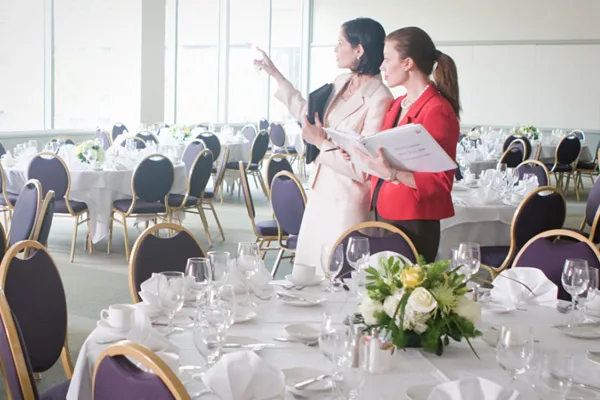
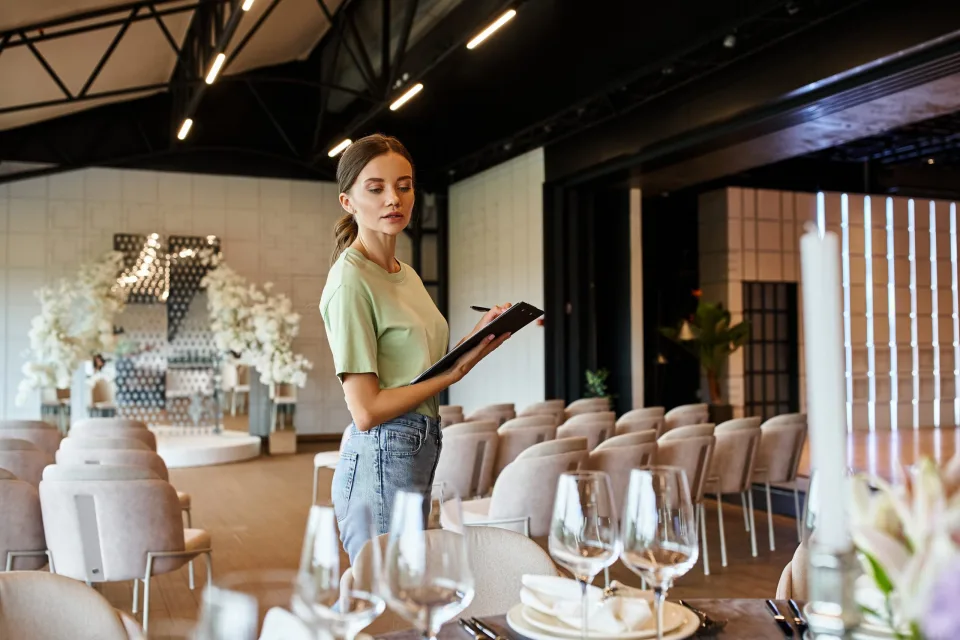
The role of an event planner goes far beyond simply booking a venue and ordering catering. They are the architects of experience. When you hire the best event planners, you are essentially purchasing peace of mind and professional oversight that prevents common pitfalls.
The Value of Vendor Networks
One of the primary advantages of working with top-tier event planners is their extensive network. Experienced professionals have spent years vetting caterers, florists, lighting technicians, and entertainment acts. They know who is reliable, who offers the best value, and who can handle high-pressure situations. This network allows them to secure exclusive rates and solve problems before they even reach the client.
Crisis Management and On-Site Coordination
No matter how well you plan, events are dynamic environments. Weather changes, technical failures, or last-minute guest cancellations can derail an event in minutes. Professional event planners are trained in crisis management. They are the ones with the backup plan, the extra microphone, and the ability to pivot seamlessly, ensuring that the guests never notice a single hiccup.
Essential Categories of Event Planners
Not all event planners are created equal. Depending on the nature of your event, you will need to look for specific expertise. Understanding these categories is the first step in finding the right partner for your project.
- Corporate Event Planners: Focus on brand identity, networking, logistics, and ROI. They are experts in managing conferences, product launches, and gala dinners.
- Social/Wedding Planners: Specialize in personal milestones. They focus on aesthetic vision, emotional connection, and high-touch guest experiences.
- Experiential Planners: These professionals focus on immersion. They use technology, interactive installations, and unique sensory elements to create memorable brand activations.
- Non-Profit/Fundraising Planners: These experts are masters of budget optimization, ensuring that the maximum amount of revenue goes toward the cause rather than the overhead.
Must-Have Tools and Products for Modern Event Planning
Whether you are a professional or a DIY enthusiast, the best event planning results come from using the right stack of technology and organizational tools. Below is a breakdown of the essential categories of products and software that define the industry today.
| Tool Category | Purpose | Key Features to Look For |
|---|---|---|
| Event Management Software | Registration & Ticketing | Real-time data, CRM integration, secure payment processing. |
| Collaborative Project Management | Task Tracking | Gantt charts, shared timelines, file versioning. |
| Floor Plan Design Software | Spatial Planning | 3D visualization, safety compliance checking, guest flow analysis. |
| Budgeting Apps | Financial Control | Expense tracking, vendor payment scheduling, multi-currency support. |
Top Trends Shaping the Event Planning Industry
To stay ahead of the curve, it is essential to understand what is currently driving the event industry. The best event planners are those who embrace innovation while maintaining the core principles of hospitality.
Sustainability and Eco-Conscious Planning
Sustainability is no longer a "nice-to-have"—it is an expectation. From zero-waste catering to digital-first agendas that eliminate paper waste, modern events are increasingly focused on reducing their carbon footprint. Planners who prioritize sustainable sourcing and waste management are currently the most sought-after in the industry.
Hybrid Event Experiences
The post-pandemic landscape has cemented the hybrid model as a permanent fixture. The best planners now integrate high-quality streaming technology with in-person engagement, ensuring that remote attendees feel just as involved as those in the room. This requires a deeper understanding of AV technology and virtual interaction platforms.
Personalization Through Data
Data analytics is transforming how events are personalized. By utilizing attendee data from registration, planners can tailor session recommendations, dietary preferences, and even networking opportunities. This level of customization creates a highly engaging experience that feels bespoke to every guest.
How to Select the Best Event Planners for Your Needs
Selecting an event planner is a partnership. Because you will be working closely with them on high-stakes projects, the vetting process must be thorough. Here is a step-by-step approach to finding the right match.
1. Define Your Scope and Budget
Before contacting any planners, define your goals. Are you looking for full-service planning (from conception to execution) or just day-of coordination? Knowing your budget upfront will save time and help you filter candidates who are not equipped to handle your scale.
2. Review Portfolios with a Critical Eye
Don't just look at the photos of beautiful tablescapes. Look for consistency. Does their work reflect the aesthetic you want? Do they have experience with the specific type of event you are hosting? Ask for case studies that include challenges they faced and how they overcame them.
3. Evaluate Communication Styles
Event planning is a high-communication field. During your initial consultation, assess their responsiveness. Do they listen more than they talk? Are they asking insightful questions about your objectives, or are they just pushing a standard package? The best planners act as consultants, not just service providers.
4. Check References and Reputation
Always ask for references from past clients and, if possible, vendors. Vendors often provide the most honest feedback about a planner’s organizational skills and temperament under pressure. A planner who is respected by their vendors is usually one who runs a tight, professional ship.
The Future of Event Planning: Technology and Human Connection
As we look toward the future, the integration of Artificial Intelligence (AI) and Augmented Reality (AR) is set to redefine event production. AI is already being used to optimize scheduling and predict attendance patterns, while AR is being used to provide virtual venue tours and interactive signage. However, the core of event planning remains the human element.
The best event planners understand that technology should enhance, not replace, the human experience. Whether it is a virtual networking event or a global summit, the ultimate goal is to facilitate meaningful connections between people. As the industry evolves, the planners who succeed will be those who can balance the latest technological tools with a deep, empathetic understanding of human behavior and hospitality.
Final Thoughts on Investing in Professional Planning
Investing in the best event planners is not merely an expense; it is a strategic decision. By offloading the logistical burden to professionals, you free yourself to focus on the high-level strategy and the actual purpose of the event. Whether you are aiming to increase brand awareness, celebrate a milestone, or foster professional relationships, the right planner provides the framework upon which success is built.
Remember that the best event is one that runs smoothly, feels effortless to the attendees, and achieves the objectives you set out to accomplish. By utilizing the right planning tools, staying informed about current industry trends, and choosing the right partner, you can ensure that your next event is not just a success, but a memorable experience for everyone involved.