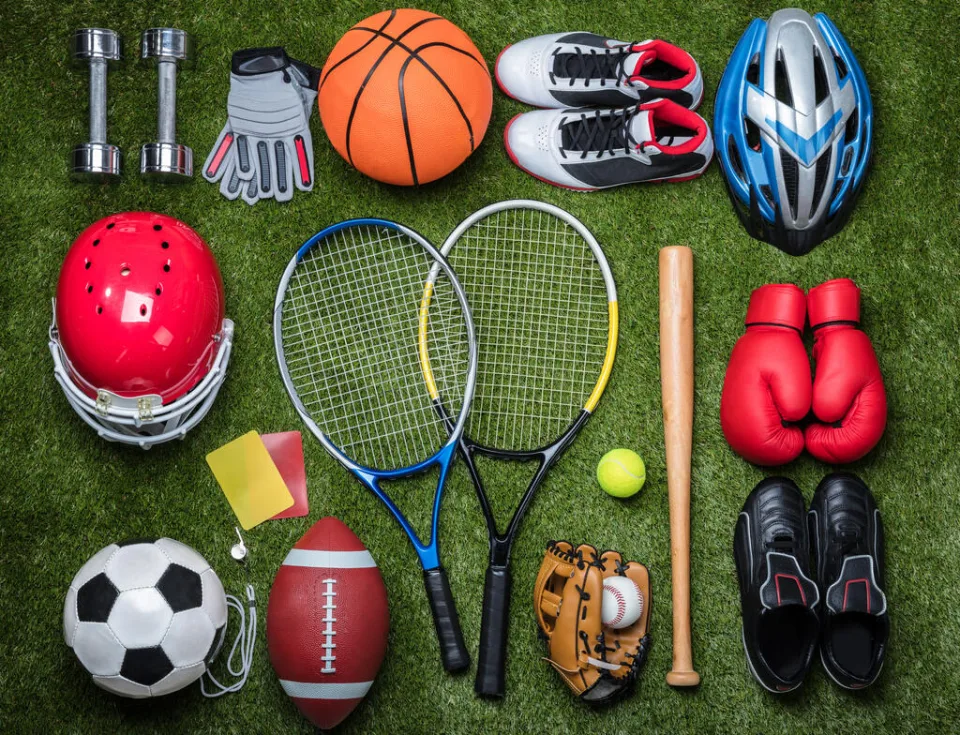
The Ultimate Guide to the Best Sports Gear and Essential Equipment for Every Athlete
Whether you are a seasoned professional athlete or someone just beginning their fitness journey, having the right equipment is the cornerstone of performance, safety, and long-term success. The sports industry has evolved rapidly, integrating advanced materials and smart technology to help athletes push their limits. In this comprehensive guide, we explore the best sports products and essential gear categories that every sports enthusiast should prioritize to elevate their game.
Understanding the Importance of Quality Sports Equipment
Investing in high-quality sports gear is not merely about aesthetics or brand loyalty; it is about functionality and injury prevention. Poorly fitted footwear, substandard protective gear, or inefficient training tools can lead to chronic injuries and plateaued performance. The "best" equipment is defined by its ability to provide support, enhance biomechanics, and withstand the rigors of your specific discipline.
When shopping for sports products, consider these three pillars: Durability, Ergonomics, and Material Science. High-performance gear often utilizes moisture-wicking fabrics, carbon fiber reinforcements, and impact-absorbing polymers that cheaper alternatives simply cannot match.
Essential Sports Gear Categories for Optimal Performance
To build a well-rounded athletic kit, you need to focus on specific categories that serve different functions. Below is a breakdown of the must-have gear for various sporting activities.
1. High-Performance Footwear
Footwear is arguably the most critical piece of equipment for any athlete. Whether you are a runner, a basketball player, or a cross-trainer, your shoes dictate your stability and energy return. Look for shoes that offer:
- Arch Support: Tailored to your foot type (neutral, flat, or high-arched).
- Cushioning Technology: Essential for high-impact sports to protect joints.
- Traction: Specialized outsoles designed for the specific surface you play on (court, turf, or road).
2. Technical Apparel and Compression Wear
Modern sports apparel has moved beyond basic cotton. Today’s best performance wear uses synthetic blends that manage body temperature and provide compression. Compression gear is particularly beneficial as it improves blood circulation, reduces muscle oscillation, and speeds up recovery times after intense training sessions.
3. Protective Gear and Safety Equipment
Safety should never be an afterthought. Helmets, mouthguards, shin guards, and joint braces are essential for contact and high-velocity sports. The best protective gear is lightweight yet impact-resistant, ensuring that safety does not come at the expense of mobility.
Comparison of Key Sports Gear Features
Choosing the right equipment can be overwhelming due to the sheer volume of options available. The following table provides a quick reference for identifying the best features in essential sports gear.
| Gear Category | Key Feature to Look For | Why It Matters |
|---|---|---|
| Running Shoes | Energy Return Foam | Reduces fatigue and improves speed. |
| Training Apparel | Moisture-Wicking Fabric | Keeps the body dry and prevents chafing. |
| Protective Gear | Impact-Absorbing Polymers | Disperses shock energy away from the body. |
| Recovery Tools | Percussive Therapy (Massage Guns) | Increases blood flow to sore muscles. |
| Smart Trackers | Biometric Sensors | Provides real-time data on heart rate and effort. |
Top Trends in Sports Technology
The sports world is currently experiencing a technological revolution. If you are looking to upgrade your gear, keeping an eye on these trends will ensure your investment remains relevant for years to come.
Wearable Biometric Monitoring
Smartwatches and heart-rate monitors have become standard. The next level involves sensors integrated directly into clothing that track muscle activation and hydration levels. These tools provide actionable data that allows athletes to tailor their training intensity based on their body's actual needs.
Sustainable and Eco-Friendly Materials
The best sports products are increasingly focusing on sustainability. Many manufacturers are now using recycled ocean plastics, organic cotton, and bio-based foams to create high-performance gear. Choosing eco-friendly equipment doesn't mean sacrificing quality; in many cases, these innovative materials are more durable than their traditional counterparts.
Recovery-Focused Innovation
Performance is only half the battle; recovery is where the gains are made. Products like cryotherapy chambers, compression boots, and advanced foam rollers have moved from professional training rooms to the home gym. Investing in high-quality recovery tools is one of the best ways to ensure longevity in your sport.
How to Choose the Best Sports Gear for Your Needs
Before purchasing, it is vital to evaluate your specific goals. Here is a step-by-step guide to making the right choice:
- Identify Your Discipline: Do not buy general-purpose gear for specialized sports. A tennis shoe is not a running shoe.
- Prioritize Fit Over Style: A beautiful piece of equipment is useless if it causes blisters or restricts your range of motion.
- Read Technical Specifications: Look for details on breathability, weight, and material composition rather than just marketing claims.
- Check for Longevity: Look for products with reinforced stitching, high-grade plastics, and solid warranties.
Maintaining Your Sports Equipment
Even the best sports gear will degrade if not properly maintained. Follow these tips to maximize the lifespan of your investment:
- Clean Regularly: Sweat and dirt can break down synthetic fibers and rubber compounds. Wash apparel and wipe down equipment after every use.
- Proper Storage: Keep gear in a cool, dry place. Avoid leaving shoes or electronics in hot cars, as heat can warp materials and damage battery life.
- Inspect for Wear and Tear: Check protective gear for cracks and shoes for tread wear. Replacing equipment at the right time is crucial for preventing injuries.
The Future of Sports Performance
As we look ahead, the integration of Artificial Intelligence (AI) into sports equipment will likely become more prevalent. We are already seeing "smart" shoes that analyze gait and suggest adjustments, and AI-driven coaching apps that provide feedback on form in real-time. The best approach for any athlete is to remain open to these innovations while ensuring that the core principles of consistent training, proper nutrition, and adequate rest remain the foundation of their routine.
In conclusion, the "best" sports gear is a combination of reliability, technology, and a perfect fit for your body type and activity. By focusing on quality over quantity and staying informed about the latest advancements in sports science, you can significantly enhance your performance and enjoy your favorite activities for many years to come. Whether you are hitting the gym, the court, or the track, remember that your gear is your partner in your athletic journey—choose it wisely.

