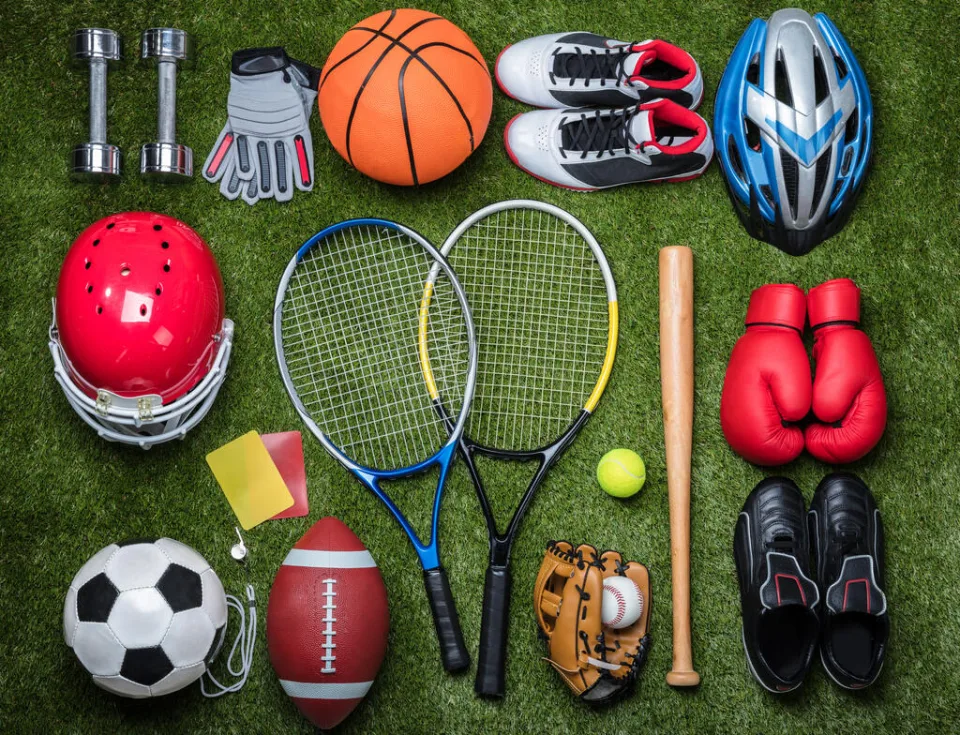
The Ultimate Guide to the Best Sports Gear: Elevating Your Performance in 2024
In the world of athletics, the difference between a personal best and a missed opportunity often comes down to the gear you choose. Whether you are a weekend warrior hitting the local trails, a competitive athlete training for a marathon, or a fitness enthusiast building a home gym, having the right equipment is non-negotiable. With the sports industry evolving rapidly, keeping up with the latest innovations can be overwhelming. This guide explores the best sports gear categories, essential tips for selection, and emerging trends to help you optimize your training and performance.
Understanding the Importance of Quality Sports Equipment
Investing in high-quality sports gear is not just about aesthetics or brand loyalty; it is about functionality, injury prevention, and long-term performance. Poorly designed equipment can lead to biomechanical imbalances, discomfort, and even chronic injuries. On the other hand, well-engineered gear provides the support, durability, and technological edge required to push your physical limits safely.
Key Factors to Consider Before You Buy
- Material Technology: Look for moisture-wicking fabrics, carbon-fiber components, and impact-absorbing foams that enhance efficiency.
- Ergonomics and Fit: Gear that fits your unique body shape reduces friction and energy loss.
- Durability vs. Weight: Striking the right balance is crucial. For endurance sports, lightweight is key; for high-impact sports, durability takes precedence.
- Versatility: Does the equipment serve multiple purposes, or is it highly specialized for a single task?
Top Sports Gear Categories for Every Athlete
To navigate the vast landscape of sports products, it is helpful to categorize gear based on its utility. Below is a breakdown of the essential categories that every athlete should prioritize.
1. Performance Footwear
Footwear is the most critical piece of equipment for almost every land-based sport. The best shoes are those designed with specific biomechanics in mind—whether it is the lateral stability needed for tennis, the high-cushioning required for road running, or the grip necessary for trail hiking.
2. Wearable Tech and Biometric Trackers
Data-driven training is the new standard. Modern sports watches and heart rate monitors allow athletes to track recovery times, VO2 max, and training load. This information is vital for preventing overtraining and ensuring you are hitting your metabolic zones during workouts.
3. Recovery Tools
Performance is not just about the work you put in; it is about how you recover. The market for recovery gear has exploded, offering everything from percussion massage guns to compression garments that accelerate blood flow and reduce muscle soreness.
Comparative Overview of Sports Gear Essentials
To help you decide where to allocate your budget, the following table compares common gear categories based on their impact on performance and longevity.
| Category | Primary Benefit | Maintenance Level | Expected Lifespan |
|---|---|---|---|
| Performance Footwear | Injury Prevention | Low | 300–500 miles |
| Wearable Trackers | Data-Driven Training | Medium (Charging/Syncing) | 2–4 years |
| Compression Wear | Circulation/Recovery | Low (Machine Wash) | 1–2 years |
| Strength Equipment | Muscle Hypertrophy | High (Cleaning/Inspection) | 5+ years |
Emerging Trends in the Sports Industry
The sports world is currently witnessing a shift toward sustainability and smart integration. As an athlete, staying informed about these trends can help you make more conscious and effective purchasing decisions.
Sustainable Athletic Apparel
Leading manufacturers are moving away from virgin plastics. You will now find high-performance gear made from recycled ocean plastics and organic, moisture-wicking bamboo fibers. Choosing sustainable gear doesn't mean sacrificing performance; in many cases, these recycled materials offer superior durability.
Smart Fabrics
The next frontier is "smart clothing"—apparel with integrated sensors that monitor muscle engagement and posture in real-time. This technology is currently moving from professional labs into the consumer market, offering amateur athletes insights that were previously reserved for elite Olympians.
How to Choose the Best Gear for Your Specific Sport
Not all sports require the same approach. Here is how to tailor your shopping strategy to your specific discipline:
For Running and Endurance
Focus on weight and breathability. Prioritize shoes with advanced foam technology and apparel that minimizes chafing. Don't overlook the importance of socks; moisture-wicking synthetic blends are vastly superior to cotton.
For Strength and Conditioning
Stability is the name of the game. If you are lifting heavy, look for shoes with flat, hard soles to ensure a solid base. Invest in quality support gear like belts or knee sleeves only after you have mastered the fundamental movement patterns.
For Team Sports
Protection and mobility are the priorities. Whether it is soccer, basketball, or rugby, look for gear that is lightweight but provides sufficient impact protection for joints and vulnerable areas.
Maintenance Tips to Extend the Life of Your Gear
Even the best sports equipment will degrade if not cared for properly. Follow these expert tips to ensure your investment lasts as long as possible:
- Air Dry Everything: Bacteria thrive in moisture. Never leave your gear in a damp gym bag; always hang it up to dry immediately after use.
- Follow Washing Instructions: High-performance fabrics often lose their moisture-wicking properties if washed with fabric softeners. Use a mild detergent and skip the dryer.
- Inspect Regularly: Check for signs of wear and tear, such as thinning soles on shoes or fraying straps on resistance bands. Replace gear before it fails during a workout.
- Rotate Your Gear: If you train daily, have two pairs of shoes. Rotating allows the cushioning foam to decompress fully between sessions, extending the life of the shoe significantly.
Final Thoughts: Quality Over Quantity
The "best" sports gear is subjective; it is the gear that fits your body, supports your specific training goals, and encourages you to show up for your next session. Instead of buying a dozen mediocre items, focus on acquiring a few high-quality pieces that solve a specific problem in your training regimen. By focusing on durability, proper fit, and the right technology, you can create a toolkit that elevates your performance and keeps you in the game for years to come.
As you continue your fitness journey, remember that the most important component of any workout is consistency. Use the right gear to make the process more enjoyable and efficient, but keep your focus on the discipline and passion that drive you to improve every single day.
